
Basic Lawn Care Tips for a Healthy, Green Lawn Year-Round
Basic Lawn Care Tips for a Healthy, Green Lawn Year-Round
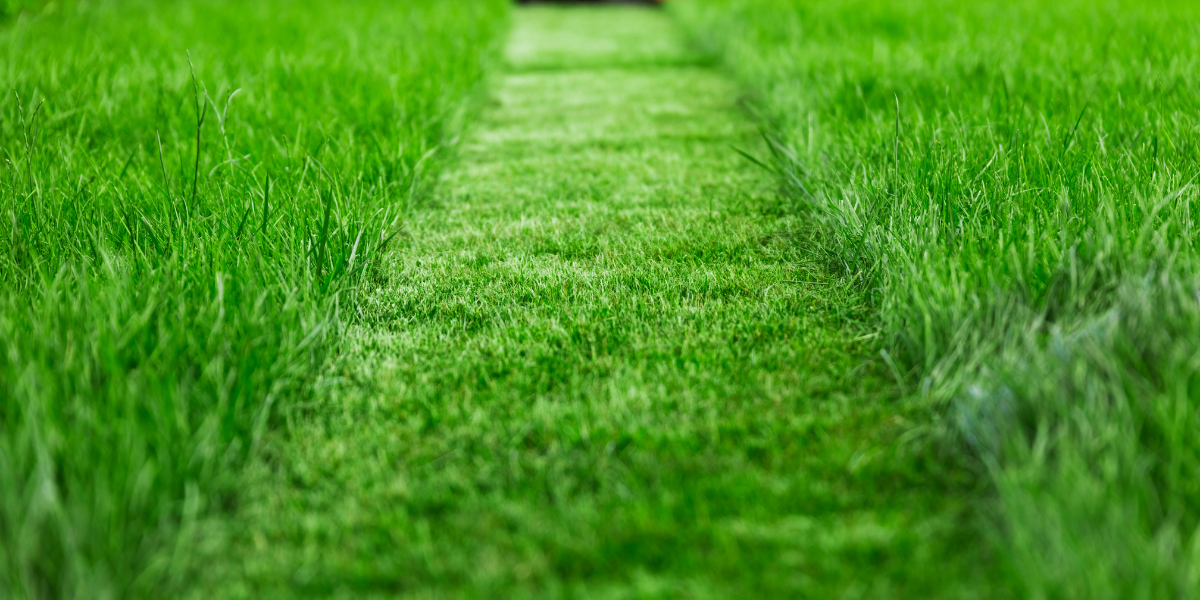
It takes work to create a lush, green lawn. It is the outcome of regular routines, appropriate timing, and a thorough understanding of what your grass truly requires. The right tips for lawn care can mean the difference between a yard that struggles all season and one that stands out for its health and color, regardless of how long you have been managing a lawn.
This guide provides a professional roadmap to year‑round success, along with practical lawn care tips covering cutting, watering, soil health, and seasonal maintenance, including lawn care in spring, summer lawn care, and fall lawn care. With the right approach to lawn care, you can build a lawn you are proud of in every season.
Basic Tips for Lawn Care You Can Start Today
Before diving into seasonal routines, there are a few basic lawn care tips that apply year‑round. These fundamentals form the foundation of good lawn care and deliver noticeable results when done consistently.
Cutting at the Right Height: Use the 1/3 Rule
Knowing how much to cut is one of the most important tips for lawn care.
The 1/3 rule is simple:
- Never remove more than one-third of the grass blade in a single cutting.
- Avoid cutting your lawn shorter than two inches if it is three inches tall.
Cutting too much at once damages the root structure, shocks the grass, and raises the possibility of disease and weeds. If your lawn gets too tall, lower the cutting height gradually over multiple sessions.
Maintaining a consistent cutting height is one of the easiest and most effective tips for lawn care for keeping grass healthy, especially when combined with proper watering.
Don't Bag Your Clippings
Many homeowners think bagging clippings keeps the lawn clean, but leaving them behind actually improves overall lawn care.
Grass clippings quickly decompose and replenish the soil with essential nitrogen, functioning as a free natural fertilizer. The only time bagging is recommended is when clippings are excessively thick due to breaking the 1/3 rule.
Under normal conditions, letting clippings remain on the lawn supports healthier turf and stronger growth.
Mow Regularly
- Follow 1/3rd rule - Never cut more than 1/3rd of the blade length.
- Keep fescue
tall (3.5–4 inches) to reduce stress and disease
Lawn Watering Guide : Water Your Lawn the Right Way
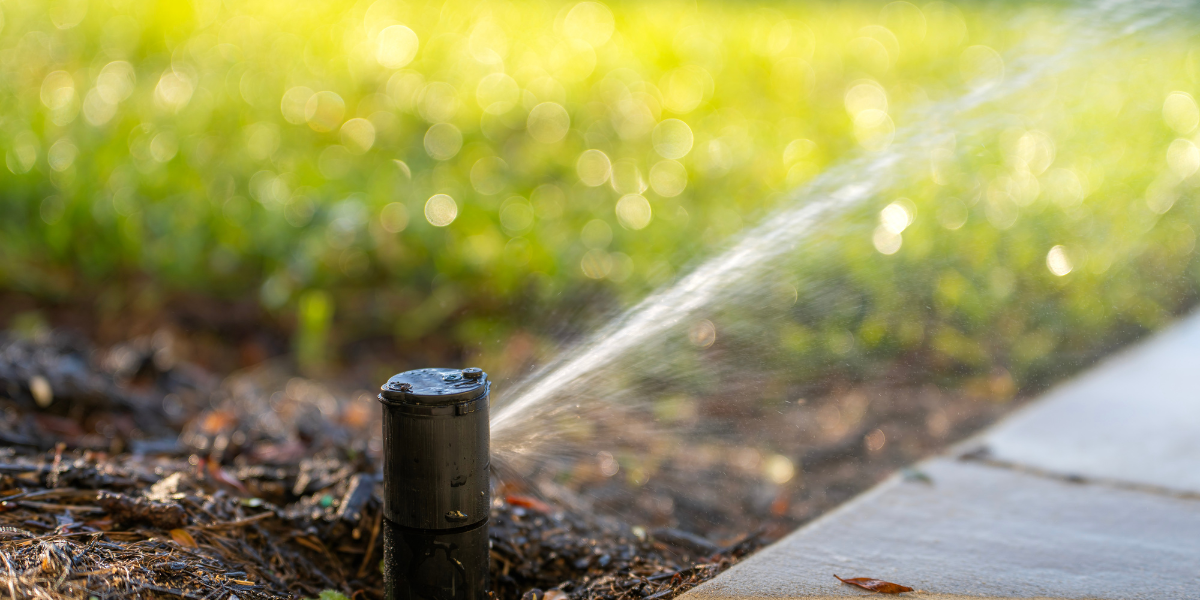
Watering is where many homeowners go wrong. Too little leaves the lawn parched and thin. Too much encourages shallow root growth, fungal issues, and wasted water.
A proper lawn watering guide starts with understanding exactly what your grass requires, and consistently following it is one of the most impactful tips for lawn care. Referencing a reliable Guide takes the guesswork out of one of lawn care's most common failure points.
Looking for Reliable Lawn Care in Chattanooga?
From fertilization and weed control to outdoor pest treatments, our team delivers services tailored to your property’s needs.
How Much Water Does Your Lawn Actually Need?
Most lawns need about 1-1.5 inches of water every week. The most important thing to remember is that the total amount of rain and irrigation should not be more than 1.5 inches per week.
Too much water is just as bad as not enough water. Buy a simple rain gauge to keep track of how much rain falls naturally so you can change yourirrigation schedule as needed. Tracking all of the water that goes into the grass is one of the most effective but least talked about ways to take care of your lawn.
Proper lawn watering, based on accurate measurements rather than guesswork, helps encourage deeper roots and prevents common issues caused by overwatering.
Water Deeply Twice Per Week
Rather than watering a little every day, water deeply twice per week. The goal is roughly 0.5 - 0.75 inches per session, two times a week, for a total of 1 - 1.5 inches. This grass watering guide method trains roots to grow deeper into the soil for moisture, which builds drought resistance and overall turf strength.
Shallow, frequent Proper lawn watering, based on accurate measurements rather than guesswork, helps encourage deeper roots and prevents common issues caused by overwatering.
does the opposite. It keeps roots near the surface, leaving the lawn fragile and dependent on constant moisture. Deep, infrequent watering is the professional approach.
Best Time for Lawn Watering
Early in the morning, between 6 AM and 9 AM, is the best time to water. Watering during this time of day keeps the grass blades from drying out completely during the day and keeps the midday heat from making them lose water.
You should never water in the evening or at night. When grass is wet all night, it is the best place for fungal disease to grow and spread. If you're not sure, use the same rule as when you mow: early morning is always the best time for your lawn's health.
Weed Control Your Lawn Before Weeds Take Over
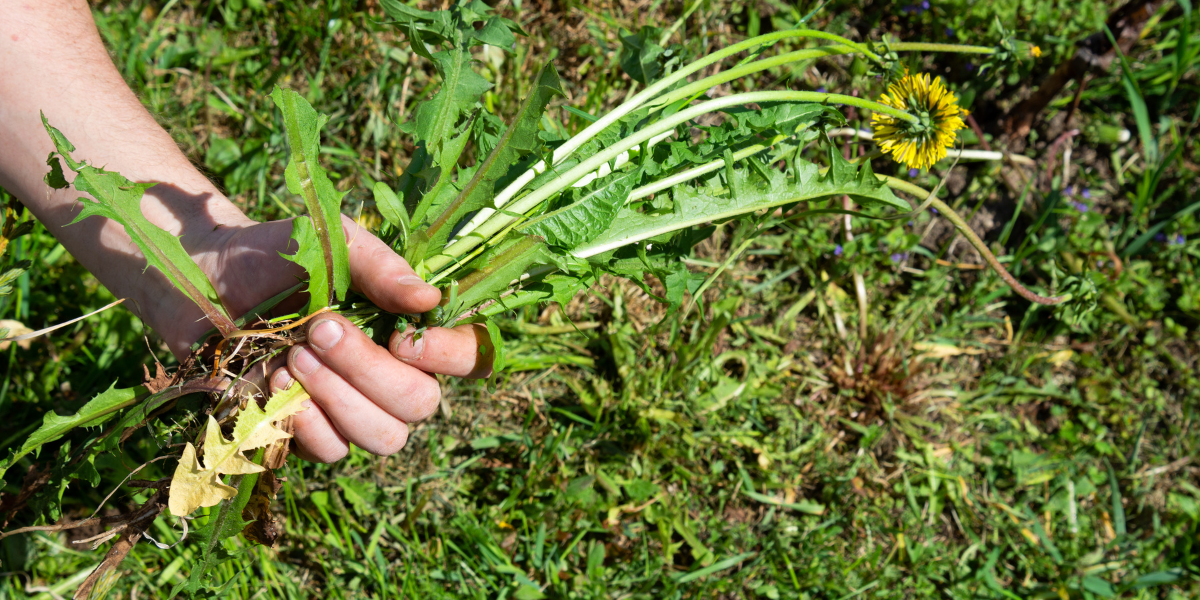
Weeds are more than just ugly. They actively compete with your grass for water, sunlight, and nutrients, and if you don't stop them, they can take over your whole lawn in just one season. Weed control works in two steps: stopping them from growing and removing them.
Weed seeds can't grow and develop in early spring when pre-emergent herbicides are used. These chemicals make a barrier in the soil that stops weed seedlings from breaking the surface. It's easy to see that post-emergent herbicides kill weeds that are already growing. Timing is very important here. Using the incorrect product at the wrong time will not work.
Beyond chemicals, the best long-term weed defense is a dense, healthy lawn. Thick turf physically crowds out weeds by limiting the sunlight that reaches weed seeds at the soil level. This makes consistent cutting, watering, and fertilizing your most powerful weed-prevention tools.
For homeowners dealing with persistent weed pressure, a professional lawn care program that includes timedweed control applications is often the most reliable solution. This approach is a core part of any solid set of tips for lawn care aimed at long-term turf health.
Looking for Reliable Lawn Care in Chattanooga?
From fertilization and weed control to outdoor pest treatments, our team delivers services tailored to your property’s needs.
Relieve Compacted Grass with Core Aeration
If the ground feels hard and dense under your feet, your lawn probably has soil compaction. Compacted soil prevents essential elements from reaching the root zone, including:
- Water
- Oxygen
- Nutrients
When this happens, grass will struggle to grow properly no matter how well you mow or water it.
The solution is core aeration. This process uses specialized machines to remove tiny soil plugs from the lawn, which aids by :
- Creating channels for air, water, and fertilizer to reach the roots
- Reducing soil density and improving root development
- In one to two weeks, let the organic matter from soil plugs decompose naturally and replenish the lawn with nutrients.
If you observe any of the following symptoms, your lawn probably requires aeration:
- Water dripping off the surface following a downpour
- Patchy or thin grass in places with a lot of traffic
- Soil that is extremely difficult to slide a screwdriver into
To maintain healthy soil and strong turf, aerate your lawn once per year, ideally during fall lawn care for cool-season grasses.
Fertilizing: Feed Your Lawn the Right Way
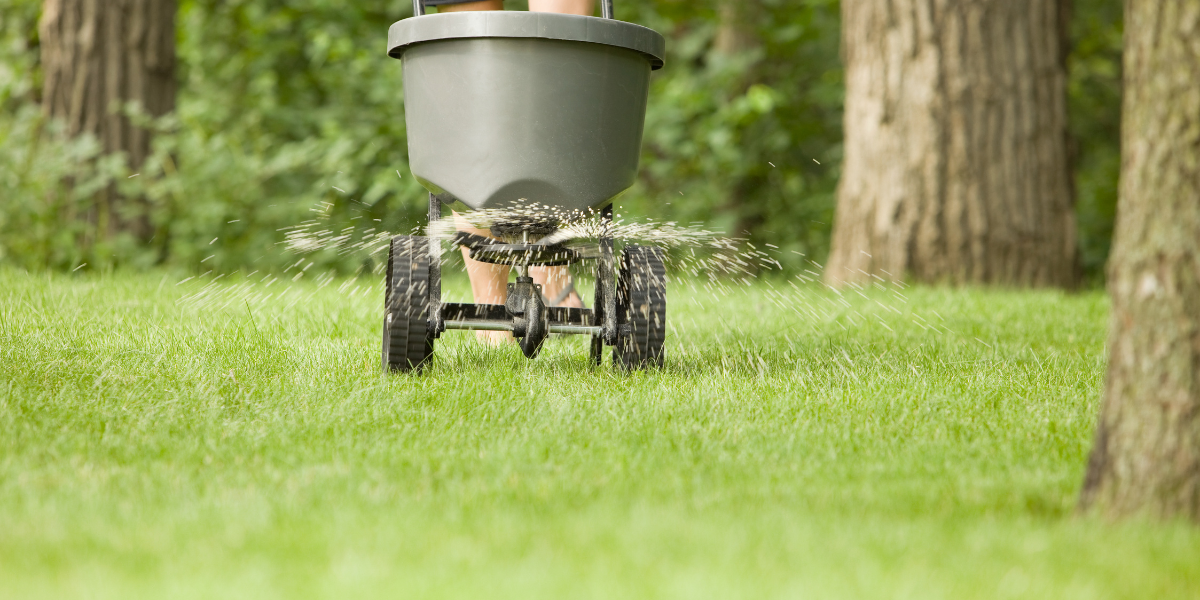
For grass to stay green, thick, and strong, it needs a constant supply of nutrients. Three essential components make up fertilizer: potassium for stress tolerance and disease resistance, phosphorus for root growth, and nitrogen for top growth and colour.
Choosing the Right Fertilizer
Don't guess what kind of fertilizer to use; get a soil test first. Over-fertilizing, especially with nitrogen, can kill the grass and cause nutrients to wash away. Professionals usually prefer slow-release granular fertilizers because they give plants nutrients over time instead of all at once.
When to Fertilize by Season
Fertilising on a seasonal schedule produces far better results than random applications:
- Spring: To assist the plants to wake from their winter hibernation, apply a light, balanced fertilizer. To care for your lawn in the spring, use a starter fertilizer or a balanced slow-release formula.
- Summer: Don't use a lot of nitrogen when it's really hot, or do it less often. Bermudagrass is an exception. It thrives when it’s fertilized in the summer. If you fertilize in the summer, use a slow-release formula that won't cause much growth when it's hot.
- Fall: This is the most critical feeding of the year. A fall fertilisation builds carbohydrate reserves in the roots, supporting winter survival and setting up a stronger green-up the following spring. Fall lawn care should always include a quality fertilizer application.
Soil Health is the Base for a Beautiful Lawn
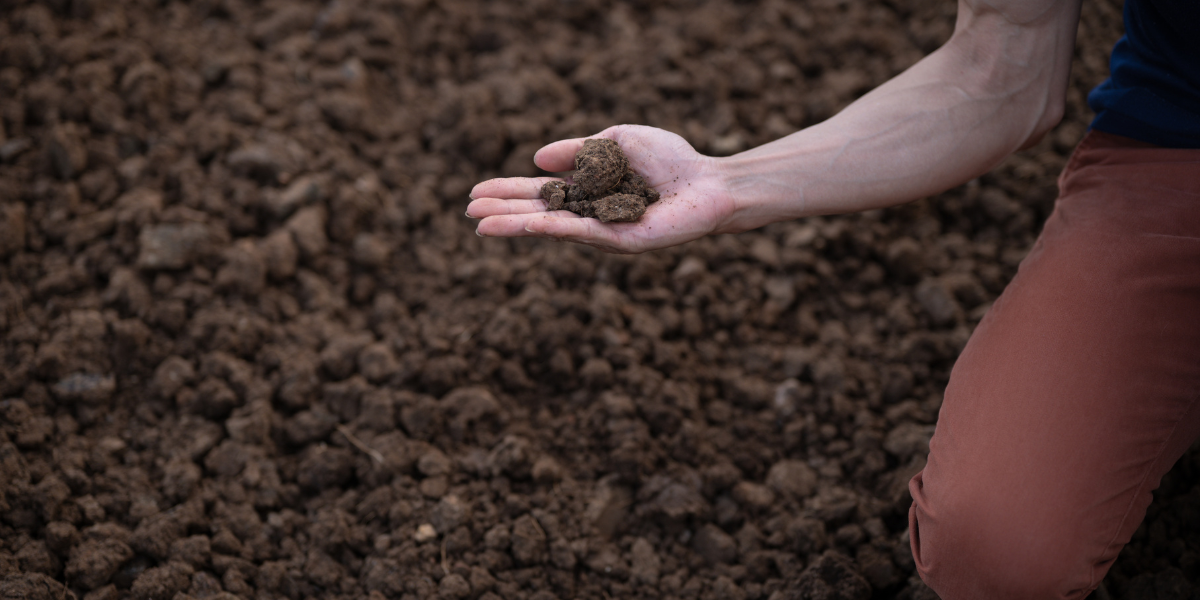
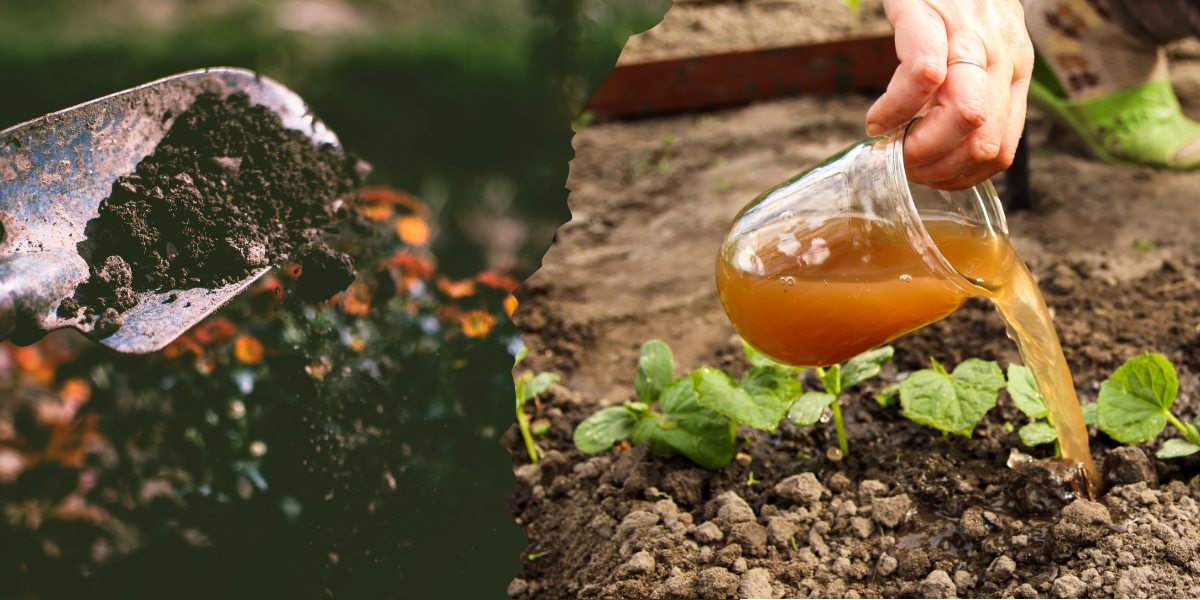
All of the cutting, watering, and fertilizing in the world will underperform if the soil beneath the lawn is unhealthy. Soil health is the foundation everything else depends on.
Using Lime to control pH.
- The pH of the soil should be between 6.0 and 7.0 for grass to grow well.
- Outside of this range, nutrients become chemically locked in the soil and unavailable to the plant, even if you are fertilizing regularly.
- If your soil pH is too low (acidic), lime applications will raise it.
- Soil in Chattanooga is almost always acidic
Overseeding for Thicker, Fuller Grass
- Putting fresh grass seed over an existing lawn to thicken it and fill up any thin or bare areas is known as overseeding.
- The results are much better when seed is added to core aeration because it falls directly into the holes, where it will definitely touch the soil.
- In Tennessee, the best time to overseed cool-season grasses is in the fall.
- Overseeding your lawn every year or two keeps the grass thick, which naturally keeps weeds down and makes the lawn look better overall.
Looking for Reliable Lawn Care in Chattanooga?
From fertilization and weed control to outdoor pest treatments, our team delivers services tailored to your property’s needs.
Seasonal Tips for Lawn Care : What to Do and When
A well-maintained lawn follows a seasonal rhythm. Knowing what to do and when to do it keeps your turf ahead of common problems rather than constantly reacting to them.
Lawn care in spring
Lawn care in the spring is all about getting ready and getting better. This season sets the tone for everything that comes after it. Taking care of your lawn in the spring means that it will be stronger and more resistant when the summer heat hits.
Spring lawn care focuses on preparation:
- Clean up debris
- Apply pre-emergent weed control
- Begin cutting using the 1/3 rule
- Apply a light fertilizer.
Lawn care in spring plays a key role in getting your lawn ready and improving its health.
Summer Lawn Care
Taking care of your lawn in the summer means paying close attention to how you manage water and handle stress.
In short, summer lawn care is all about stress management, which includes the below activities:
- Water deeply twice per week
- Raise the cutting height slightly
- Mow early in the morning
- Watch for drought stress, grubs, and disease
Fall Lawn Care
Fall is the most productive season for improving your lawn.
The main part For Fall Lawn Care includes :
- Core aeration
- Overseeding
- Heavy fertilizer application
- Post-emergent weed control
The work done during the fall directly affects spring performance. Keep cutting until growth stops, maintaining the 1/3 rule throughout. The effort you invest in fall directly determines how well your lawn performs the following spring.
Let GroGreen Handle the Hard Part
It's one thing to know how to take care of your lawn. It's one thing to have a programme that works every week. Grogreen offers professional lawn care services to homeowners all over Tennessee who want a greener, healthier lawn without having to guess what their grass needs.
From seasonal fertilisation and targeted weed control to professional core aeration and overseeding programmes, we deliver results-driven lawn care backed by deep local expertise.
If you are ready to take the stress out of maintaining your lawn and start seeing the results you have been working toward, visitGroGreen to learn more about available services or request a free quote.
Your lawn deserves professional care, and the right team is ready to deliver it.
FAQs for Basic Lawn Care
1. What is 1/3 rule for lawn?
The 1/3 rule states that you should never cut more than one-third of the grass blade height in a single cutting session. ex. If your grass is 3 inches tall, the lowest you should cut it in one pass is 2 inches. Removing more than that at once stresses the grass, weakens roots, and makes the lawn more susceptible to weeds and disease.
2. What are common lawn care mistakes?
The most common mistakes are watering too often with shallow applications, cutting too short (scalping), bagging clippings when they don't need to be, cutting during the hottest part of the afternoon, not paying attention to soil pH, and not fertilizing in the fall. One of the most common mistakes professionals see is failing to follow a good lawn watering guide. Over time, each of these habits weakens the grass and reduces its ability to fight off weeds, drought, and disease.
3. How much grass should you cut off at a time?
Never remove more than one-third of the total blade length in a single cutting. If your lawn has grown too tall between sessions, raise the cutting deck height and bring it back down gradually over two or three mows rather than cutting aggressively in one pass.
4. What is a good lawn maintenance schedule?
A good schedule includes cutting once a week (following the 1/3 rule), watering twice a week deeply for no more than 1.5 inches total, checking for pests and diseases once a month, and seasonal tasks like fertilising, aerating, overseeding, and controlling weeds that are done at the right time of year.
5. What is the best lawn care routine?
The best lawn care routine combines consistent cutting at the correct height (1/3 rule), deep watering twice a week not exceeding 1.5 inches combined with rainfall, seasonal fertilization, annual core aeration, strategic weed control, and periodic overseeding. Routine consistency matters far more than occasional intensive treatments.