
Slow Release VS Quick Release Fertilizer
Slow Release vs. Quick Release Fertilizer: Pros, Cons & when to apply
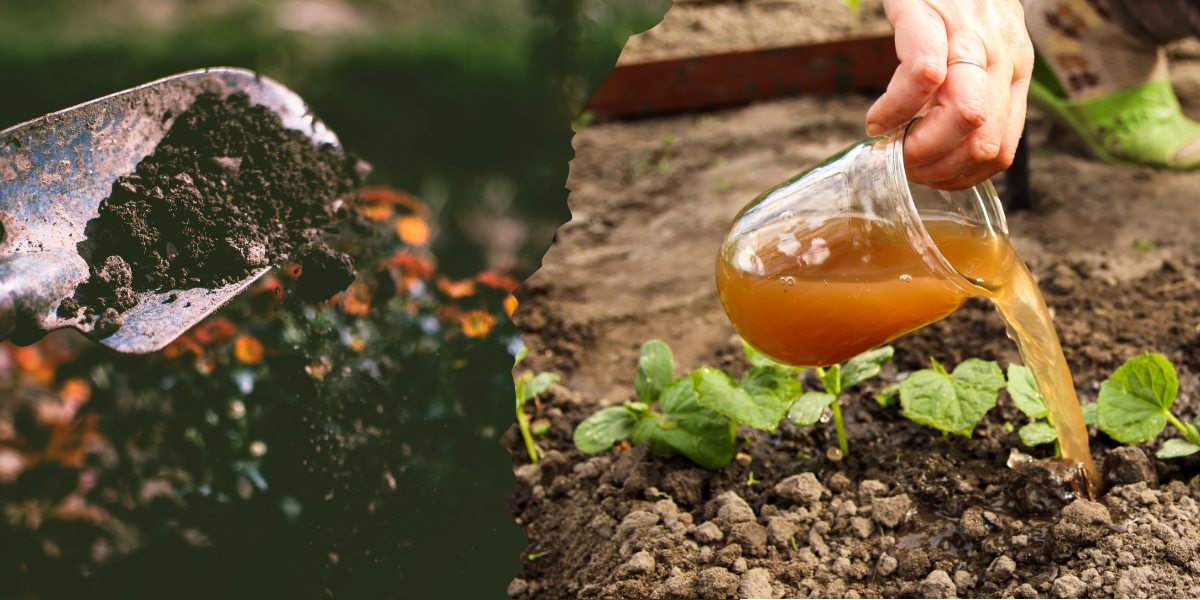
Tennessee lawns need the right fertilizer because the weather changes a lot. For example, springs are cool, summers are hot and humid, and there are times when it rains heavily, washing away nutrients.
The kind of fertilizer you use will affect how quickly your grass turns green, how long the feeding lasts, and how likely you are to have problems like burn or runoff. In short, slow-release fertilizer feeds your lawn slowly over time, while quick-release fertilizer gives your lawn nutrients quickly for quick results.
If you want strong colour without having to reapply it all the time, the best plan in Chattanooga, TN, is to use both at different times.
We guide you in selecting the right products and determining the right application timing based on your grass type, soil, and Chattanooga’s weather conditions, and suggest the most effective
lawn fertilizer service for a healthy, green lawn.
Differences Between Slow Release and Quick Release Fertilizer
What is Slow Release Fertilizer (granular, coated)?
Slow-release fertilizer is a granular product that gives plants nutrients over time. A lot of formulas use nitrogen that is coated or stabilised and breaks down over time when it gets wet or when the soil is disturbed.
It doesn't give you a big "hit" of nutrients all at once. Instead, it gives you a steady supply that helps your plants grow and stay colourful. This is a good choice for homeowners who want lawn fertilization less often and get more predictable results.
What is Quick Release Fertilizer (water-soluble, fast-acting)?
Quick fertilizer is designed to dissolve and feed quickly. You will see it as water-soluble products, liquids, or fast-acting granular blends. Because nutrients become available right away, results can appear quickly.
which is helpful when your lawn looks pale or stressed. The trade-off is that it typically does not last as long and carries a higher risk of overapplication.
Slow Release vs Quick Release Fertilizer Cost
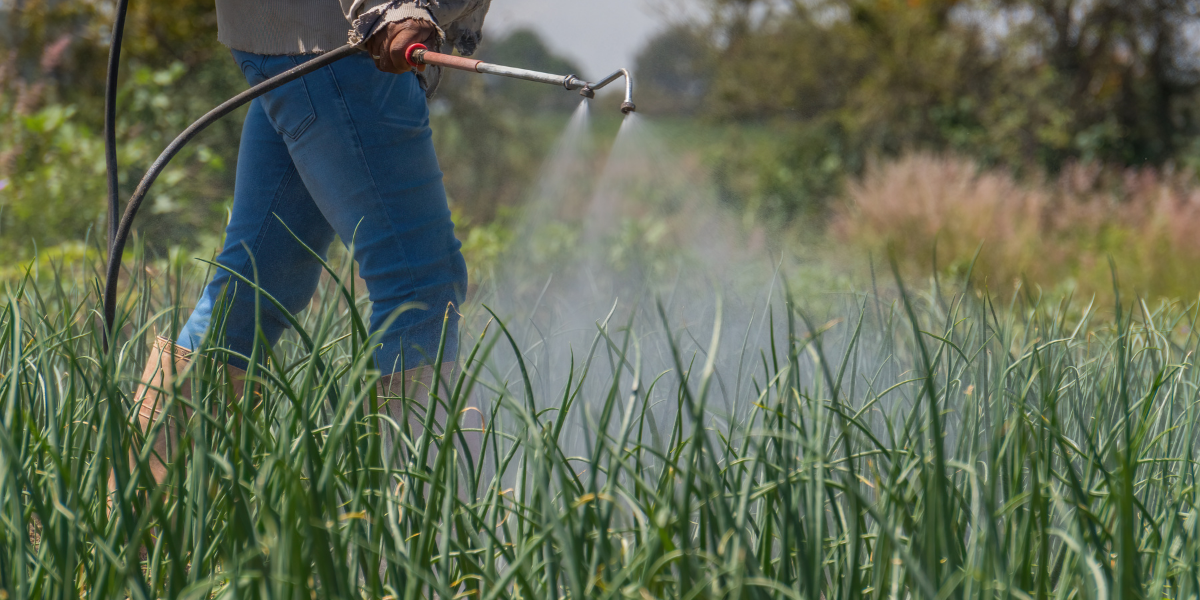
When people compare costs, it helps to look beyond the bag price. In many cases, slow release fertilizer costs more upfront, but it can offer better long-term value per application because it lasts longer and you may apply it less often.
This fertilizer can be cheaper per bag and can deliver fast results, but the feeding window is shorter, so you may spend more over a season if you need repeated applications.
Cost also includes your time. Fewer applications mean less time spent measuring, spreading, watering, and cleaning up. That is why many homeowners hire a lawn fertilizer service to get consistent results, especially in the spring and fall when schedules are packed.
In Chattanooga, TN, the cost and product choice can change based on a few key factors:
- Lawn size
- Soil needs and nutrient levels
- Shade vs. sun exposure
- Season and weather patterns
A well-timed plan can reduce waste and help you avoid paying twice to fix preventable issues. GroGreen can help build a realistic schedule and product mix, so your lawn fertilization budget goes further.
Looking for Reliable Lawn Care in Chattanooga?
From fertilization and weed control to outdoor pest treatments, our team delivers services tailored to your property’s needs.
Slow Release vs Quick Release Fertilizer for Lawn: Pros, Cons, Best Uses
Slow Release Fertilizer (Granular, Coated)
Best for : steady growth and long-lasting lawn fertilization, especially when you want stable color and fewer spikes in growth.
Pros
- Fewer applications throughout the season
- Less risk of burning when used correctly
- Colour and growth that are more consistent
- Often better for keeping grass healthy in changing weather
Cons
- Slower green-up if you need an immediate visual change
- Can be less precise for quick fixes if a specific deficiency needs fast correction
Duration and What to Expect:
Many slow-release products last for weeks to months, depending on the formula, the weather, and how much water you give them. In Chattanooga's warm season, release can occur more quickly when it's hot and wet.
GroGreen often suggests slow-release fertilizer as the "base layer" in a seasonal plan because it helps plants grow steadily without having to be reapplied.
Quick-Release Fertilizer (Water-Soluble)
Best for : quickly fixing visible nutrient problems and getting the lawn to green up quickly when it needs to.
Pros
- Fast results, sometimes seen in a few days
- Simple to find specific problems
- Good for getting back on track after stress
Cons
- Higher burn risk if overapplied or applied during heat stress
- Shorter feeding window
- More frequent scheduling may be needed
Duration and What to Expect:
Many quick release products last days to a few weeks, depending on the rate, watering, and rainfall. Because it moves fast, it can be a helpful tool, but it should be used carefully.
If you're thinking about using quick-release fertilizer to fix yellowing or thin spots, GroGreen can help you pick safer rates and times so you can get the
Benefits of Fertilizer without hurting the grass.
Comparison Chart: Slow-Release vs. Quick-Release Fertilizer
| Feature | Slow Release Fertilizer | Quick Release Fertilizer |
|---|---|---|
| Speed of results | Gradual green-up | Fast green-up |
| How long does it lasts | Weeks to months | Days to weeks |
| Risk level (burn, leaching, runoff) | Lower burn risk, steadier release | Higher burn risk, more leaching potential |
| Frequency of applications | Less frequent | More frequent |
| Best season to use in Chattanooga, TN | Great for spring and fall foundation, steady summer support | Helpful for quick fixes, targeted feeding |
| Cost | Higher upfront, often better value per application | Often cheaper upfront, may cost more over a season |
When to Apply Slow Release Fertilizers (Chattanooga, TN Timing)
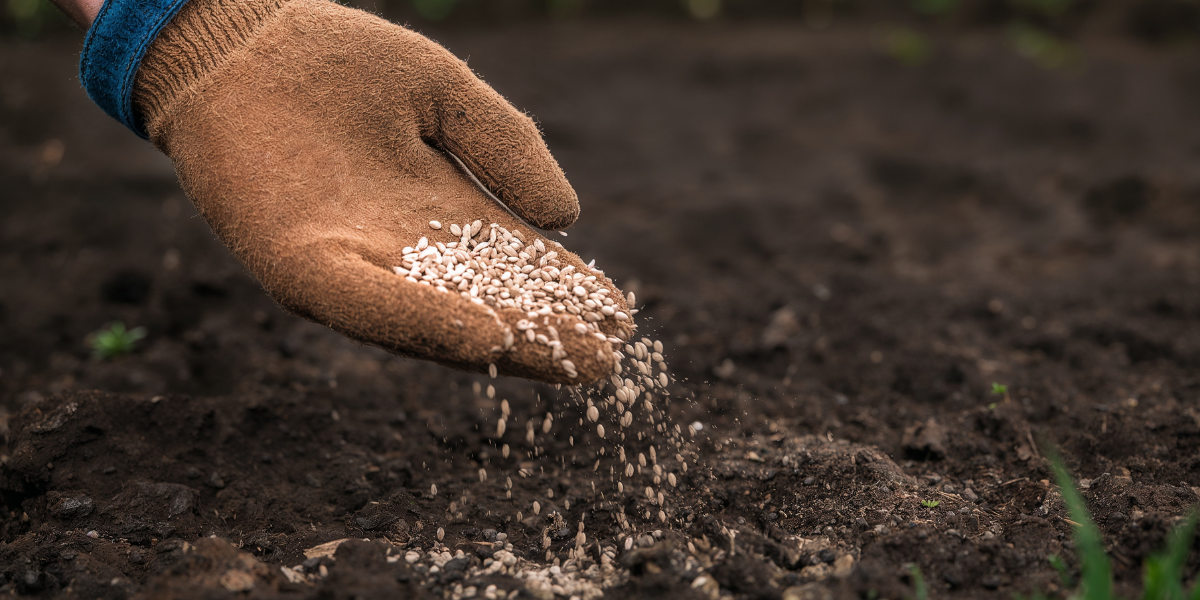
Spring: building a strong base for growth
Slow-release fertilizer is great for spring because it helps the grass grow steadily as it wakes up. A gradual feed helps keep the grass from growing too quickly, which can lead to more cutting and stress later on.
Summer: feeding without overstressing the lawn
In the summer, heat and humidity in Chattanooga can be hard on grass. Pushing heavy growth can be dangerous, so slow feeding may be a better choice. The goal is to keep the lawn healthy, not to make it grow quickly when it's hot.
Fall: preparing roots for winter and early spring green-up
Fall applications are often the most important for long-term lawn quality. A slow, steady feed can support root strength and help your lawn enter winter healthier, which often means better spring performance.
When slow release fertilizer is not ideal (urgent yellowing, thin spots)
If your lawn suddenly looks pale, thin, or sick after heavy rain, you might need to fix it faster than a slow product can. At those times, a carefully applied quick-release fertilizer might be better, and it might be paired with a longer-lasting product to keep the results stable.
Looking for Reliable Lawn Care in Chattanooga?
From fertilization and weed control to outdoor pest treatments, our team delivers services tailored to your property’s needs.
Tips to Apply Slow-Release Fertilizers
- Focus on the basics for the best results. Before you fertilise, make sure the lawn isn’t too dry, mow it at the right height, and remove any heavy debris or trash.
- Use the correct amount of fertilizer, and be careful not to overlap the spreader lines. Overlapping is a common cause of striping or lawn burn.
- After application, water according to the label directions. This helps nutrients soak into the soil rather than sit on the grass blades.
- To protect local waterways, avoid applying fertilizer to sidewalks or driveways in Chattanooga, especially before rain. This helps prevent storm drains from overflowing with runoff.
- Finally, understand your soil so your fertilising plan is tailored to your lawn’s actual needs. A soil-based approach ensures you apply the right nutrients at the right time for healthier, more effective growth.
When Quick Release Fertilizer Makes Sense
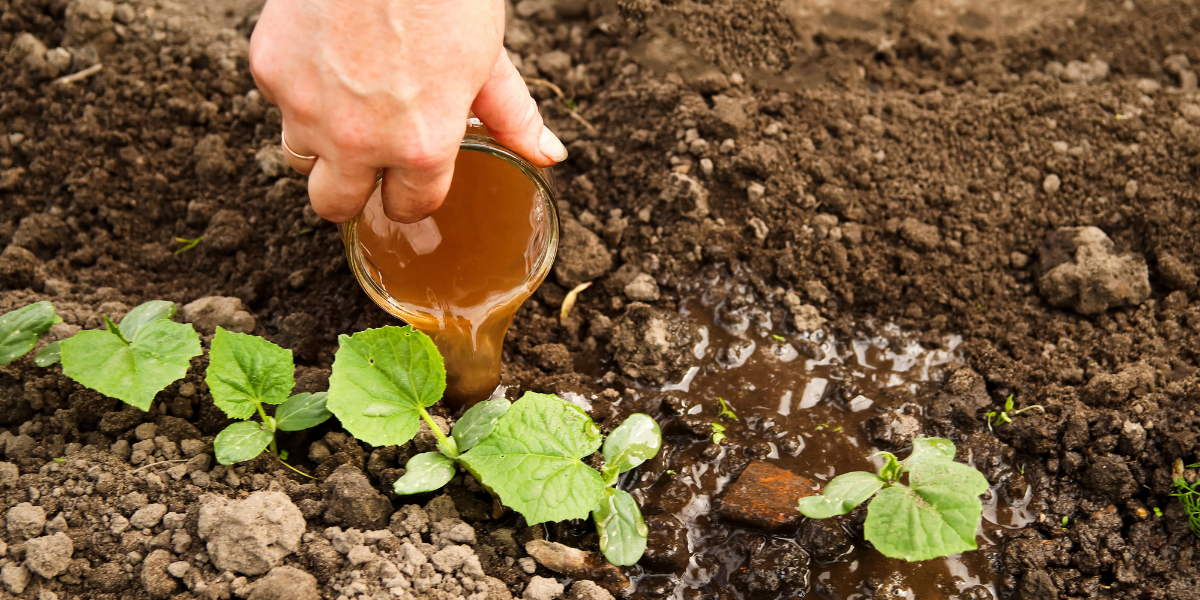
Sometimes your lawn needs you to act quickly. Lawns can look pale and weak after heavy rain or when nutrients have leached out of the soil. In these situations, a measured dose of quick‑release fertilizer can restore colour fast.
Quick‑release products are especially useful for:
- Spot treatments on tired or yellow patches
- Rapid recovery after stress from heat, foot traffic, or cutting mistakes
- Boosting appearance when the lawn needs to bounce back quickly
To get good results without damaging your lawn, a few things matter most:
- Use safe application rates
- Avoid applying during very hot weather
- Water thoroughly so nutrients are absorbed into the soil rather than sitting on the grass blades.
If you're not sure, a
lawn care servicelike GroGreen can safely apply quick-acting products and mix them with longer-lasting ones to break the "green today, gone tomorrow" cycle.
Want Professional lawn fertilizer service in Chattanooga, TN?
If you want a greener lawn without the guesswork, GroGreen offerslawn fertilization Services tailored to Chattanooga's conditions. We help you choose the right balance of slow release fertilizer and quick release fertilizer based on season, turf needs, and your goals. We also watch for common issues like runoff risks, overfeeding, and stress timing so your lawn stays healthy, not just temporarily green.
Whether you want a full seasonal plan or help correcting a problem area, we can build a schedule that fits your property and delivers consistent results. If you are looking for a reliable lawn fertilizer service in Chattanooga, TN, reach out toGroGreen to request a quote or schedule your next visit.
FAQs for Slow Release and Quick Release Fertilizer
-
If you prefer organic methods, slow-feeding options are often a better fit because they support steady soil health. The “best” choice depends on your soil and grass type, so a soil test helps determine it.
-
Wait until the product is watered in and the lawn is fully dry. Always follow the label instructions, since reentry guidance can vary by product.
-
Yes. Slow release lasts longer, but timing still matters. A seasonal plan prevents overfeeding and keeps nutrients available when the lawn can actually use them.
-
Usually wait until the product is watered in and the grass is dry. If you just applied granular fertilizer, cutting too soon can pick up the product, reducing its effectiveness.
-
Most lawns do well with slow-feeding as the foundation, plus targeted quick-feeding only when needed. Heavy rain periods make timing and proper cleanup especially important to reduce nutrient loss.