How to Identify Early Signs of Tree & Shrub Stress in Chattanooga, TN Heat
How to Identify Early Signs of Tree & Shrub Stress in Chattanooga, TN Heat

The summers in Chattanooga are gorgeous, but they may be hard on your yard. Long heat waves, excessive humidity, and rain that doesn't come on a regular basis make life hard for all the trees and shrubs in your yard. If you don't identify early tree stress, it can swiftly lead to long-term damage, expensive removal, or even the death of the plant.
The best way to preserve your investment is to know the warning signs and act quickly. We'll show you how to tell whether your trees are stressed out from the heat, when to think about hiring a professional like GroGreen to take care of your shrubs, and how skilled shrub disease treatment may bring your plants back to health before it's too late.
Why Chattanooga Heat Stresses Trees and Shrubs
Chattanooga's weather includes long stretches of hot weather, especially in the middle to late summer. Mature landscapes can endure variations in the seasons, but excessive heat and dry spells might be too much for even well-established tree and shrub systems.
When heat stress happens, it usually happens when :
- Soil moisture goes away too soon.
- Roots can't take in enough water
- Oxygen can't get through compacted dirt.
- Plants are less able to handle stress when they don't get enough nutrients.
Eventually, this causes trees to show signs of stress that homeowners should never disregard.
Early Signs of Tree & Shrub Stress You Shouldn’t Overlook
Finding problems early makes a big difference in how quickly you get better. Here are several signs that your tree or shrub might be having trouble.
1. Leaves that are drooping or wilting
Wilting leaves, even when the soil looks wet, is one of the first signals that a tree is stressed. Leaves droop as a way to protect themselves when roots can't get enough water.
If you see your tree or shrub withering in the early morning (not only when it's hottest in the afternoon), it probably requires help right away.
2. Leaves that are turning yellow or brown
A classic sign of underlying problems is when leaves change colour.
- Yellow leaves could mean that there aren't enough nutrients.
- Brown, crispy edges are generally a sign that you are dehydrated.
- If you see spots or uneven areas, you may need to treat shrub disease.
Heat stress weakens plants in many Chattanooga environments, making them more likely to get fungal diseases.
3. Leaves falling off too soon
If a tree or shrub starts to lose leaves in the middle of summer, it's usually a way to stay alive. The plant is aiming to save water and electricity.
Some leaf loss is natural, but too much is a clear sign that the tree is still stressed.
4. Growth that is slow or stopped
If your shrubs look smaller than usual this year or your trees haven't grown any new leaves, the heat may be hurting how their roots work.
Professional shrub care programmes can fix problems with the soil or nutrients that are causing the plants to grow more slowly.
5. Bark that is cracked or peeling
Bark can split when it gets really hot, especially on young trees. Cracks let pests and pathogens get to the inner tissue, which means that early treatment for shrub disease or tree health problems is much more important.
6. More pests are active
Plants that are stressed by heat are more likely to get bugs like borers and mites. If you see bugs that aren't normal, it could be because the tree is already stressed.
Integrated tree and shrub management programmes can help keep pests from getting out of hand.
Looking for Reliable Lawn Care in Chattanooga?
From fertilization and weed control to outdoor pest treatments, our team delivers services tailored to your property’s needs.
Things that stress trees out in Chattanooga landscapes
Knowing what causes the harm helps keep it from happening again.
1. Watering the wrong way
Too much water can greatly increase the chance of disease, and even kill roots, and not enough water can dry them up. Both of these things make trees stressed.
2. Soil that has been compacted
Roots can't get enough oxygen and nutrients through dense dirt.
3. Not enough nutrients
Heat makes nutrient imbalances worse, thus expert fertilisation is a crucial element of shrub maintenance.
4. Diseases caused by fungi and bacteria
When heat and humidity are high, it's the perfect time for diseases to grow, which makes it even more important to treat shrub diseases.
How Professional Tree and Shrub Care Keeps Your Landscape Safe
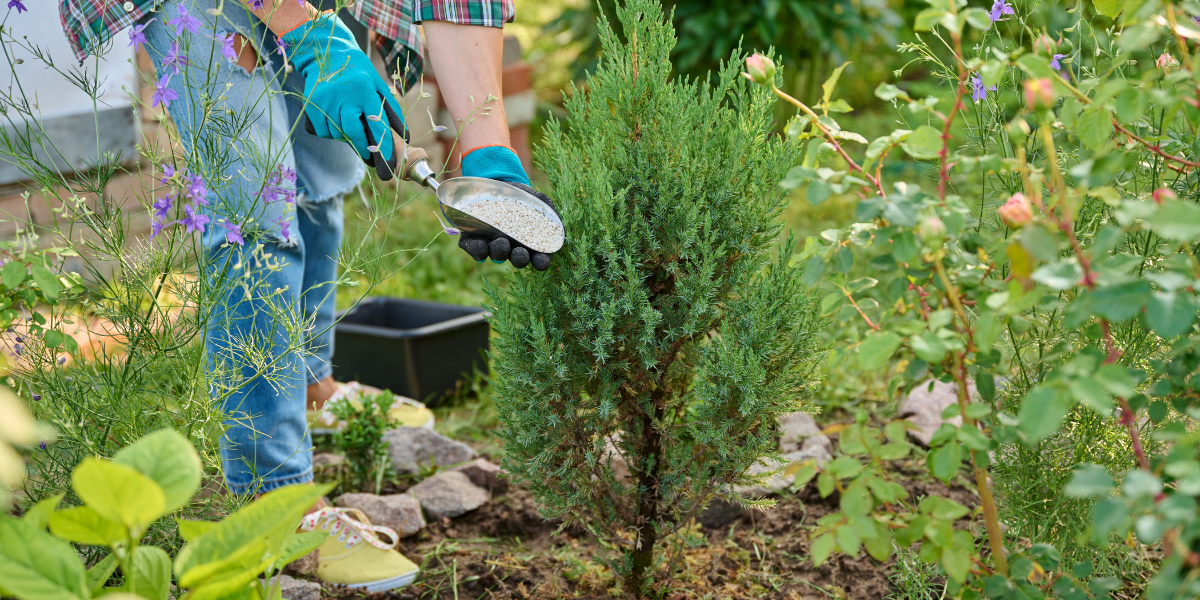
Homeowners can handle basic watering, but long-term protection needs a planned approach.
Companies like GroGreen offer tree and shrub programmes that are made to fit the soil and weather in Chattanooga.
Professional services usually include:
- Fertilisation deep down
- Conditioning the soil
- Nutrient treatments that are specific
- Monitoring diseases before they happen
- Treatments that prevent diseases from occuring
Expert shrub care brings plants back to health by treating both obvious symptoms and the problems that produce them.
When Tree Stress Turns into an Emergency
Some signs require immediate professional evaluation:
- Big parts of the canopy are turning brown.
- Branch dieback
- Mushrooms growing at the base of trees
- Wilting that doesn't stop even when watered
If you wait too long to cure a tree, small amounts of stress might turn into lasting harm to its structure.
Looking for Reliable Lawn Care in Chattanooga?
From fertilization and weed control to outdoor pest treatments, our team delivers services tailored to your property’s needs.
Tips for caring for trees and shrubs in Chattanooga's heat
Before the temperatures reach their highest point, you can stop tree stress.
Getting Ready for Spring
- Fertilise early
- Check for early indications of disease
- Make the dirt better
Protection in the summer
- Keep an eye on the moisture levels
- Mulch around the root zones, but don't pile it up against the trunks.
- If necessary, plan ahead for shrub disease treatment.
Getting Better in the Fall
- Strengthen roots before winter
- Address lingering nutrient deficiencies
Shrub care all year long helps your landscaping stand up to bad weather.
How to Treat Shrub Diseases in Hot Weather
Heat makes plants' immune systems weaker. Once compromised, shrubs are more likely to develop fungal diseases such as leaf spot or root rot.
Treating shrub disease early can:
- Stop the transmission of disease
- Get the leaves back to health
- Stop damage to the structure over time
- Improve seasonal growth performance
A professional evaluation ensures the right treatment is applied at the right time — not a one-size-fits-all solution.
How to Keep Your Tree & Shrub Healthy During Extreme Heat
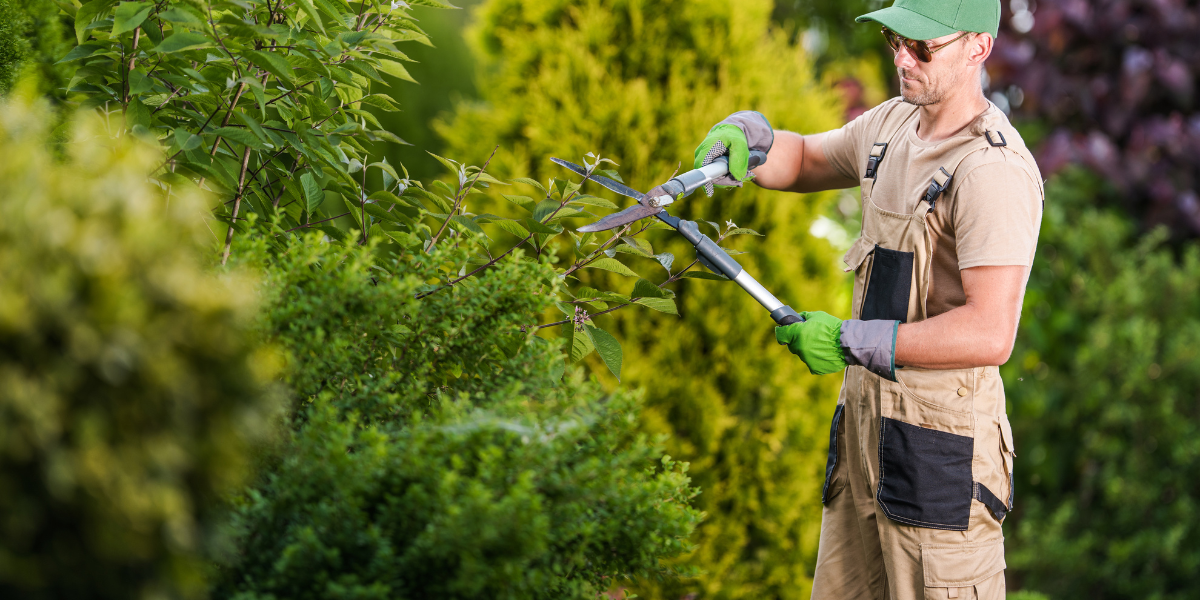
Here are some things that homeowners can do between visits from a professional:
- Water deeply, but not often.
- Avoid trimming during peak heat.
- Watch for early discoloration.
- Keep mulch 2–3 inches thick around root zones.
- Set up regular checks.
These steps support professional shrub care and reduce recurring tree stress.
Why Local Expertise Matters
Chattanooga’s clay-heavy soil and fluctuating rainfall patterns create unique landscape challenges. A national, generic approach to tree & shrub maintenance often overlooks local environmental factors.
Working with a local provider familiar with Chattanooga’s climate ensures your tree & shrub program is tailored for:
- Regional soil composition
- Native plant species
- Seasonal disease patterns
- Heat stress cycles
This localized approach significantly reduces long-term tree stress and the need for emergency shrub disease treatment.
Protect Your Landscape Investment
Healthy trees and shrubs do more than beautify your property — they increase curb appeal, shade your home, and add long-term value. Ignoring early tree stress signs can lead to expensive removals and replanting.
By investing in consistent shrub care and proactive shrub disease treatment with GroGreen, you protect both your landscape and your property value.
If you’re noticing warning signs in your yard, a professional tree & shrub evaluation from GroGreen can help restore health before permanent damage occurs.
FAQs
1. What are the first signs of tree stress in hot weather?
Wilting leaves, yellowing foliage, and premature leaf drop are common early signs of tree stress.
2. How often should I water my tree & shrub during summer?
Deep watering once or twice a week is typically better than daily shallow watering, depending on soil conditions.
3. Can shrub disease treatment fix heat damage?
Yes, if disease is caught early. Proper shrub disease treatment can stop fungal spread and promote recovery.
4. Is fertilizer safe during extreme heat?
It depends. Professional shrub care providers apply balanced treatments designed specifically for summer conditions.
5. Why are my shrubs turning brown even though I water them?
This may indicate root rot, nutrient imbalance, or advanced tree stress, requiring expert evaluation.
6. When should I call a professional?
If symptoms persist for more than two weeks or worsen rapidly, schedule a tree & shrub inspection immediately.
7. Does mulch really help prevent tree stress?
Yes. Proper mulching retains soil moisture and regulates root temperature, reducing overall tree stress.