
Overseeding vs. Seeding: What Works Best for Chattanooga Yards?
Overseeding vs. Seeding: What Works Best for Chattanooga Yards?

If your lawn is thinning out, it’s tempting to grab a bag of seed, toss it down, and hope for the best.
Sometimes you get lucky.
Most of the time, the seed disappears. Or it sprouts… and then fades out.
That’s because the real question isn’t “Do I need grass seed?”
It’s
what kind of seeding does your Chattanooga yard actually need-and what needs to happen before the seed goes down?
We don’t have to tell you about crazy Tennessee weather, we’ve seen all four seasons in a single week. Not to mention the summer humidity and dry spells. Add kids, pets, and a few too-short mowings here and there, and suddenly your yard can appear thin, regardless of how much you water it. This guide simplifies the decision between overseeding and seeding for you. You’ll learn how to select the correct method, the best timing, and the straightforward steps to make sure those seeds really take root in the real world.
Quick answer: overseeding vs. seeding (Chattanooga rule of thumb)
If you want the fast answer, here it is:
- Overseeding means adding grass seed into an existing lawn to thicken it and fill thin spots.
- Seeding (or reseeding) means establishing grass where you don’t have enough healthy turf, like significant bare areas, new construction, or a lawn that’s mostly weeds.
Rule of thumb for most Chattanooga yards:
- If you still have about 60–70% of your grass healthy, overseed.
- If the yard is bare, primarily soil or mostly weeds, you’ll usually need to seed or reseed (and do more prep).
This is the same framework lawn pros use because it matches how turf actually recovers.
Overseeding vs. seeding: what’s the difference?
What overseeding does (and when it works best)
Overseeding is basically “adding new grass plants into the lawn you already have.”
It’s a great option when the yard is still mostly grass, but it’s:
- thinner than it used to be
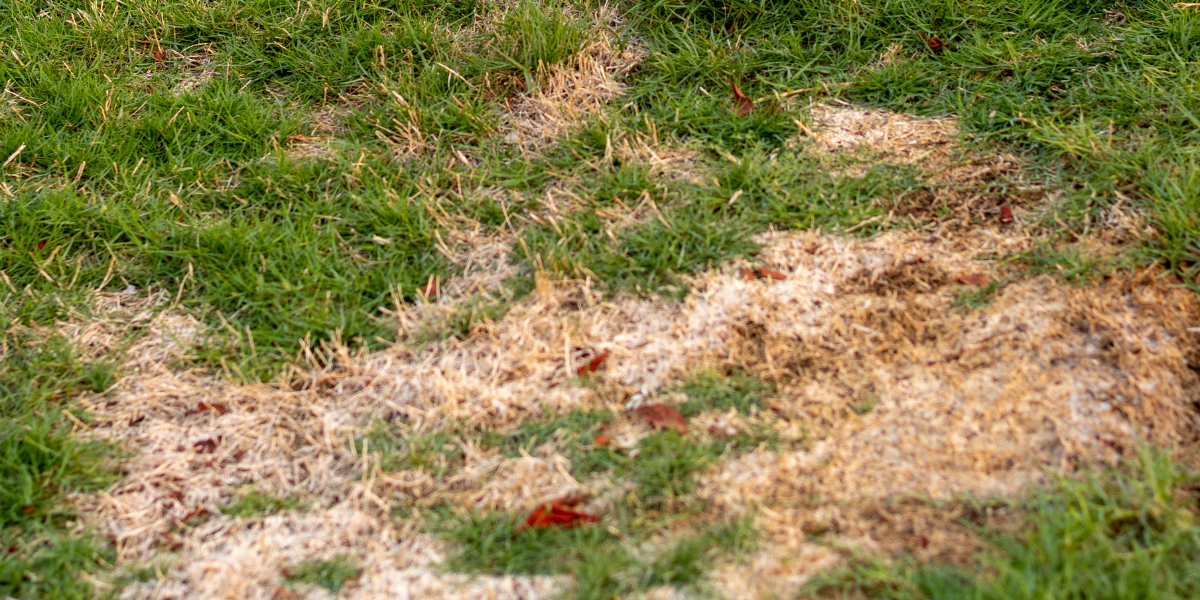
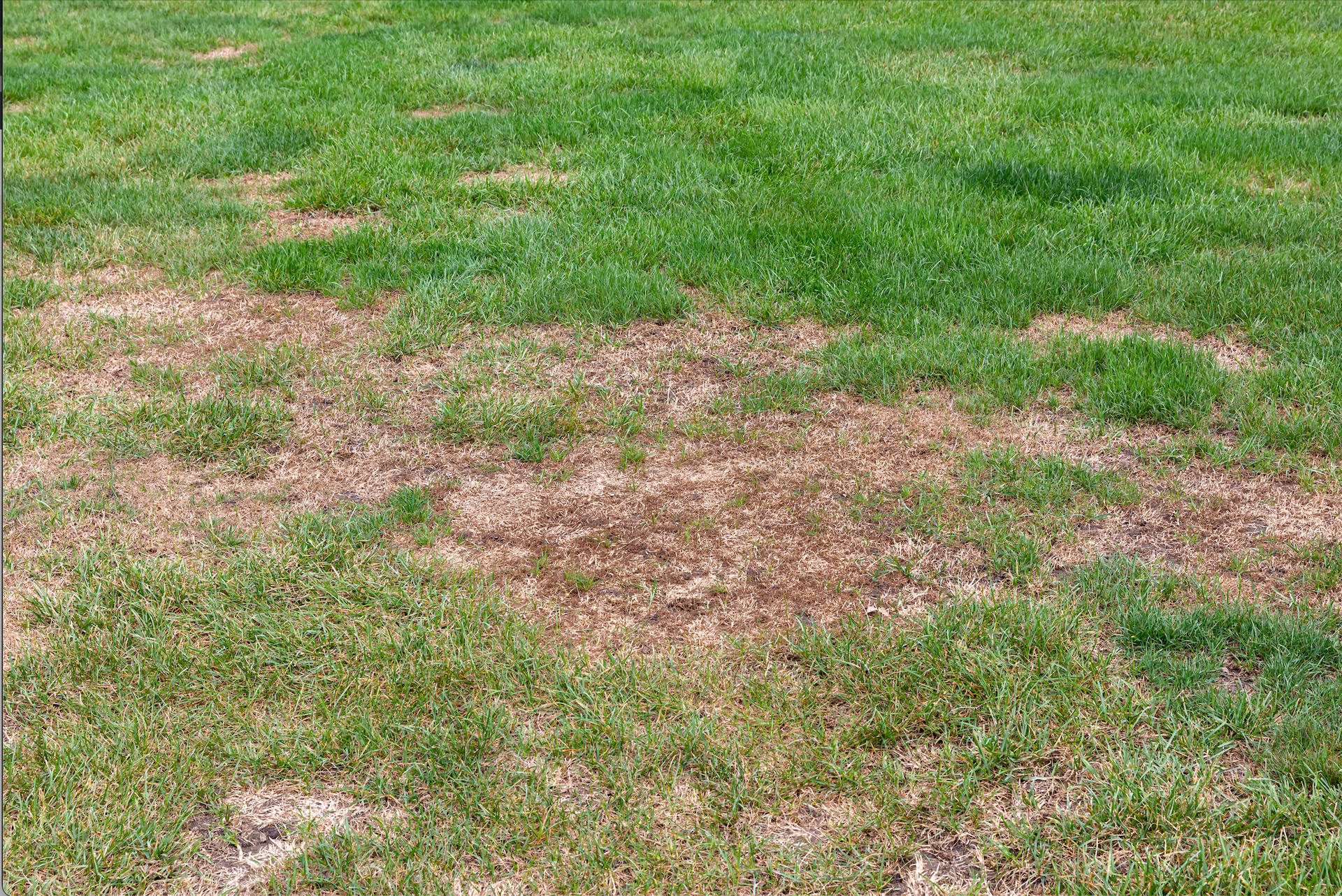
- patchy from summer stress
- worn down in high-traffic areas
- struggling to crowd out weeds
- You want your lawn to look its best
Overseeding is a density play.
You’re not rebuilding from scratch. You’re filling in gaps so the lawn gets thick again.
Overseeding is not ideal if you’re dealing with:
- large bare dirt areas
- heavy weed takeover
- severe compaction or drainage issues (without fixing them first)
If the “base” is still there, overseeding is usually the most cost-effective way to get your lawn back.
What seeding (or reseeding) is best for
When homeowners say “seeding,” they usually mean one of these:
- New seeding: brand-new turf after construction, grading, or a significant landscaping change
- Reseeding: rebuilding areas that failed-erosion spots, washed-out sections, or parts of the yard that never established
Seeding makes sense when you don’t have enough healthy turf left for overseeding to do the job.
If you’re looking at a yard that’s more dirt than grass, seeding is often the right call. But it also means you’ll need to be more careful with soil prep and watering.
How to choose: 6 questions that make the decision easy

If you’re stuck between overseeding and seeding, answer these. They’ll tell you what your lawn needs.
1) How much grass do you have left?
Take a quick “wide view” of the yard.
- Mostly grass with thin areas? Overseed
- Mostly bare soil or weeds? Seed/reseed
2) Is what’s green actually grass?
A lot of lawns might seem “green,” but in reality, they’re overrun mainly by weeds. If weeds are taking over, overseeding alone usually won’t do the trick unless the weeds are addressed first.
3) Is the soil hard, compacted, or puddling?
In Chattanooga, compacted soil is quite common, especially in high-traffic areas. When water runs off instead of soaking into the ground, it can be tough for seeds to take root. That’s where core aeration comes into play. It allows air and water to penetrate the soil more effectively, which dramatically improves seed-to-soil contact.
Looking for Reliable Lawn Care in Chattanooga?
From fertilization and weed control to outdoor pest treatments, our team delivers services tailored to your property’s needs.
4) Is your yard more shade than sun?
Shade changes everything. If you don’t get enough light, even perfect seeding can disappoint. In those areas, you may need a shade strategy (and realistic expectations). There are some grasses that do better in shade than others, but even these can struggle in the shadiest areas.
5) Can you water consistently for 2–3 weeks?
Seed needs consistent moisture. Not flooding. Not “once every few days.” Consistency.
If you know your schedule is hectic, it’s better to time the project for a season where nature helps you out (often fall), or get help setting it up properly.
6) What’s your goal?
- Want it “better than now”? Overseeding might be enough.
- Want it thick and clean? You may need overseeding plus aeration, weed control, and soil improvement.
That’s why a lot of homeowners do seed year after year and still feel stuck-because seed alone can’t fix compaction, weeds, or poor soil balance.New Paragraph
Best time to overseed or seed in Chattanooga
Late Summer/Early Fall: the easiest window for most homeowners
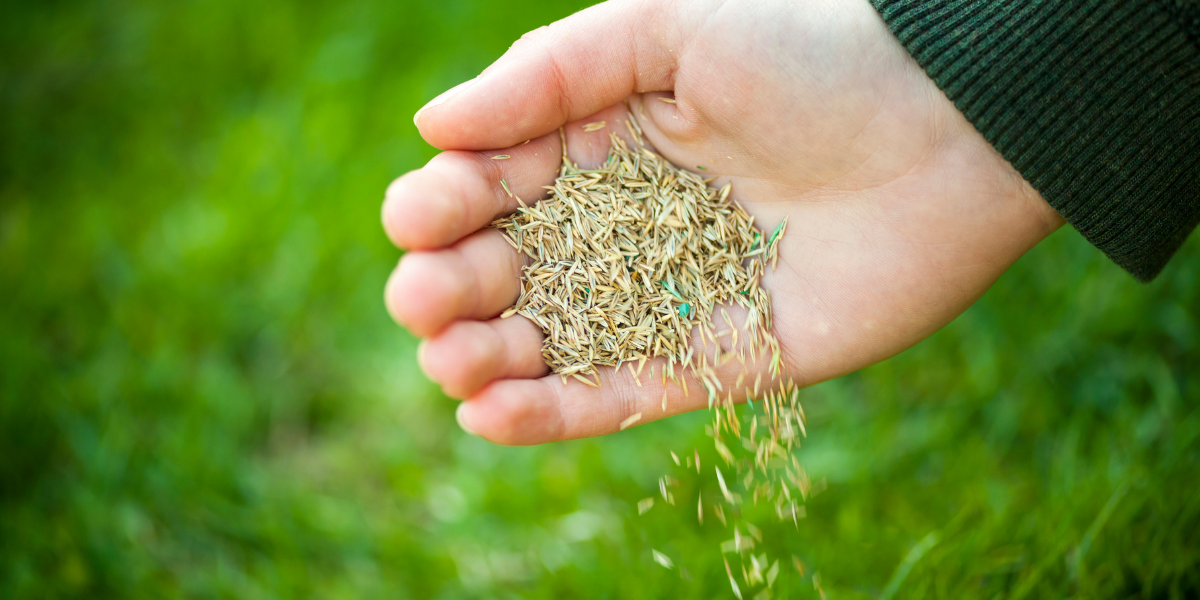
For lawns in Chattanooga, Late August through October is the best time to overseed and plant new seeds.
Why this tends to work so well:
- The soil stays warm longer (great for germination)
- The air cools down (less stress on seedlings)
- There’s usually less weed pressure than spring
- You avoid the harshest summer heat that dries out new grass fast
- Gives new plants time to establish deep roots to withstand summer heat
If you’ve been thinking about
lawn aeration and seeding, late summer and early fall is often when you get the best results for the effort.
Spring: Seems right, but is actually the wrong move
It is very difficult to grow fescue grass with a spring seeding. Spring plantings germinate well, and will come in and look beautiful until sometime in July, when our relentless summer heat cooks the young plants. These immature plants rarely survive our brutal summers.
Summer: usually not the move
Summer seeding can be done, but it’s tough in Chattanooga due to heat, humidity, and watering requirements. Many seedlings sprout and then struggle to survive.
Step-by-step: how to overseed a Chattanooga lawn
Overseeding success comes down to 2 things:
1) Seed-to-soil contact
2) Consistent watering
Here’s a simple process that works.
1) Mow a bit lower than usual
You want seed to reach the soil surface. If clippings are heavy, bag them.
Keep it reasonable. You’re not trying to scalp the lawn.
2) Rake thin areas to expose soil
Seed on top of thick turf dries out quickly. Rake thin areas so you can see some soil.
3) Aerate if the soil is compacted
If your yard feels hard or you have runoff/puddling, core aeration can be the difference between “some sprouts” and “a real thickening.” Aeration also increases seed-to-soil contact.
4) Spread seed evenly
Use a spreader. It avoids clumps and stripes. Use the proper rate to ensure healthy grass.
5) Lightly work it in
A light rake or thin topdressing helps keep seed from sitting exposed where birds, wind, and sun can wreck the results.
6) Water lightly and consistently
For germination, keep the top layer moist. Light and frequent at first.
Once seedlings are established, shift toward deeper watering. Letting the
7) Don’t mow too early
Wait until the new grass is established enough to handle mowing. Use sharp blades. Don’t cut too short.
8) Be careful with weed control timing
Some herbicides can interfere with germination. If weeds are part of the problem, plan weed control around your seeding schedule instead of doing both at random.
Looking for Reliable Lawn Care in Chattanooga?
From fertilization and weed control to outdoor pest treatments, our team delivers services tailored to your property’s needs.
Step-by-step: how to seed empty spots or a new lawn
If you’re seeding bare soil, prep is even more critical.
1) Clear weeds and debris
Seeds and weeds compete. If weeds dominate, address that first.
2) Fix grading and drainage
If the area holds water, grass will struggle. Smooth the grade so water doesn’t pool.
3) Improve the soil if it’s low-grade
A thin layer of good topsoil can help seed establish roots faster, especially after construction or erosion.
4) Seed and cover lightly
A light cover protects seed from drying out and washing away. The key is “light,” not “buried.”
5) Water consistently and protect from washout
Bare soil dries quickly. Slopes wash out easily. Keep moisture consistent and watch rainfall.
6) Keep traffic off
New grass can’t take a beating. Give it time.
Common mistakes (why seed “doesn’t work”)
Most seed failures in Chattanooga come down to a few repeat problems:
- Throwing seed down with no soil contact
- Inconsistent watering (it dries out mid-germination)
- Weeds are dominating the space
- Mowing too soon or too short
- Ignoring compaction, drainage, or shade
If you fix the underlying issue, seeding becomes much more predictable.
FAQs
1. Is overseeding the same as reseeding?
Not exactly. Overseeding thickens an existing lawn. Reseeding is rebuilding large areas or starting over in sections.
2. Do I need to aerate before overseeding?
Not necessarily, but for best results, yes. But if the soil is compacted, aeration and overseeding together can dramatically improve results by improving seed-to-soil contact and water movement.
3. How long does it take to see results?
You may see germination in days to a couple of weeks, depending on the seed and the weather. A noticeably thicker lawn usually takes several weeks plus proper watering and mowing.
4. Can I overseed over weeds?
You can, but it’s rarely the best plan. If weeds dominate, handle weed control first and then seed at the right time.
5. What’s the best grass seed for Chattanooga?
It depends on sun/shade, watering ability, and your existing turf. The best seed is the one that matches your yard conditions and the season.
Seed works better when the lawn is set up for it
Overseeding and seeding both work in Chattanooga. The key is choosing the right approach
and setting the yard up for success, especially with compaction and weeds.
If you want a customized treatment plan (and you’d rather not guess),GroGreenis a local, independent lawn care company in Chattanooga offering fertilization, weed control, aeration & seeding, soil amendments, grub control and prevention, and lawn disease services.