
Winter Lawn Care in Tennessee: What to Do (and What to Skip) From November to February
Winter Lawn Care in Tennessee: What to Do (and What to Skip) From November to FebruaryThis is a subtitle for your new post

- Warm-Season Turf Dormancy: The lawn turns tan/brown and “rests”), or
- Fescue Winter Growth Slowdown: Growth slows or stops, but roots are still active
Why does winter lawn damage happen?
Most winter lawn problems come from conditions that are easy to overlook:
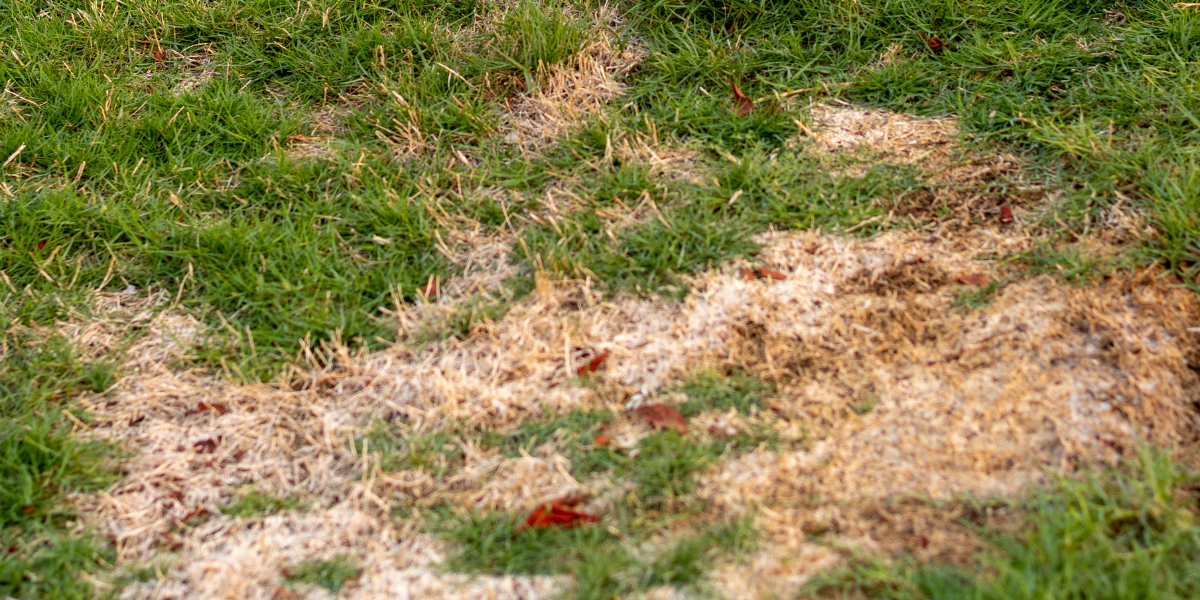
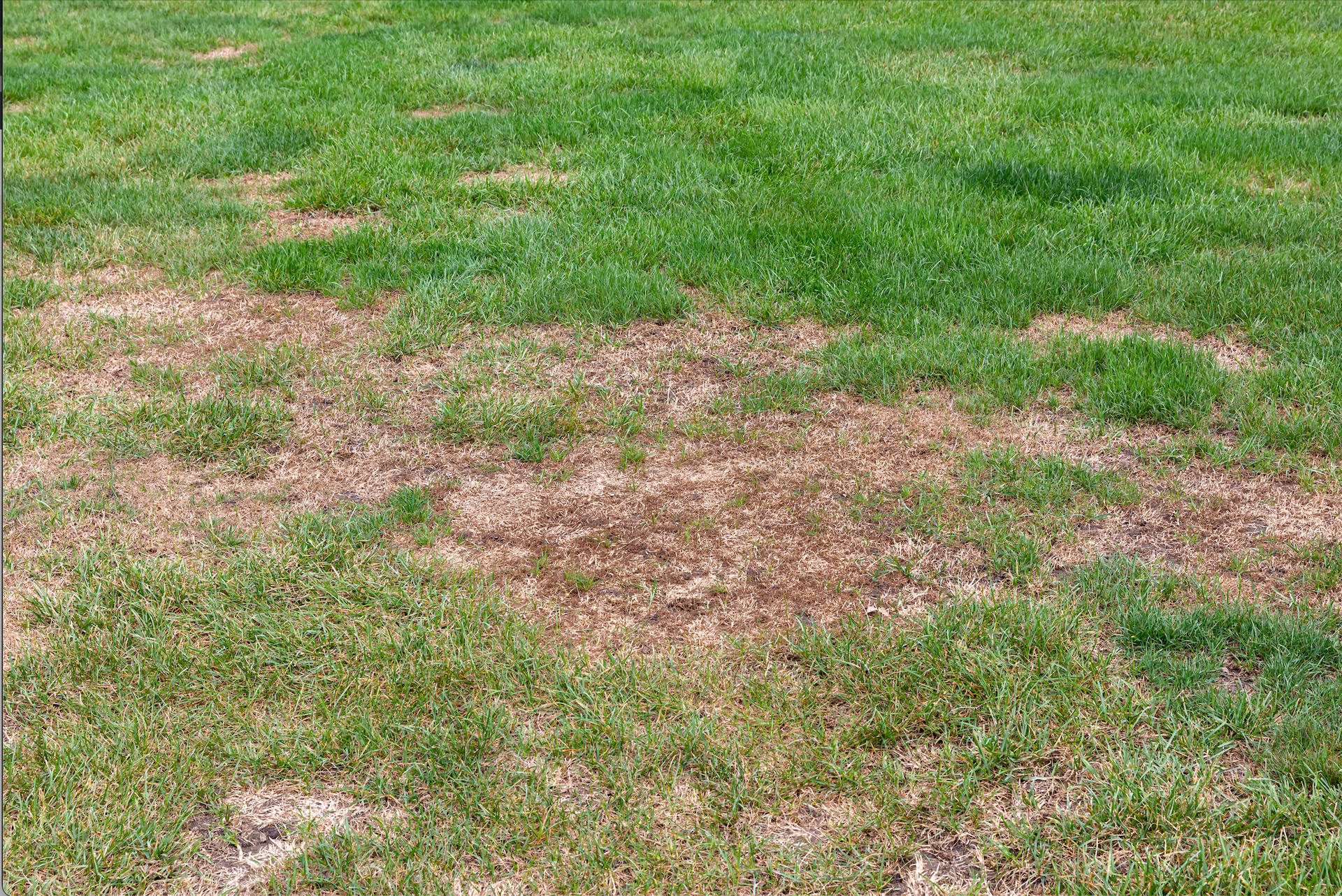
- Foot traffic on frosty or frozen grass: Frozen blades get brittle and break. Repeat that damage in the same path, and you’ll see it later as thinning or bare spots.
- Salt and de-icers near turf: Many ice melts can burn grass along sidewalks and driveways, leaving a “fried edge” in spring.
- Smothering leaves and debris: Thick leaf mats trap moisture and block sunlight. That can lead to weak turf and even disease issues.
- Standing water that freezes: Puddles that turn into ice sheets can suffocate grass and stress the crowns.
- Compaction: Winter is when soil compaction sneaks up, especially when the ground is wet and people (or pets) use the same route daily.
So winter lawn care is less about “making the grass grow” and more about protecting the lawn so it rebounds quickly in spring.
Looking for Reliable Lawn Care in Chattanooga?
From fertilization and weed control to outdoor pest treatments, our team delivers services tailored to your property’s needs.
Quick winter lawn care checklist (the “do this” list)
If you want the short version, here it is. These are the basics that help most Tennessee homeowners.
1) Keep mowing until the lawn truly stops growing
In Tennessee, the grass doesn’t always stop growing the moment you see the first frost. Keep mowing as needed on dry days.
General winter mowing tip: Avoid extreme changes. Don’t scalp the lawn. Don’t suddenly cut it way shorter “just because winter is coming.” The 1/3rd rule still applies: Never cut more than ⅓ of the grass height in one mowing
2) Handle leaves before they become a problem
Leaves aren’t bad, but piles are. A thick layer of leaves acts like a wet blanket.
- If leaves are light: mulch them with your mower
- If leaves are heavy: rake/blow and remove them so the turf can breathe
3) Protect irrigation and hoses (if you have them)
Freezes can crack parts of your system. Before a hard freeze:
- Disconnect hoses
- Drain and store hoses
- Winterize irrigation systems if applicable
4) Limit traffic when the lawn is frosty or soggy
Try not to walk the same route across the lawn every morning. And avoid driving/parking on the grass in winter.
5) Use ice melt carefully
Ice melt is useful, but it can be rough on turf if it ends up in the grass.
- Use the smallest amount needed
- Keep it on the hard surface
- Sweep up excess instead of kicking it onto the lawn
6) Watch drainage to prevent ice sheets
If one area always puddles, winter will put it on display. Standing water that freezes can do real damage.
7) Store and service lawn equipment
A little maintenance now saves headaches in spring:
- clean mower deck
- sharpen blades
- stabilize fuel or drain it for storage
Month-by-month: what to do from November to February (Tennessee timeline)
November: finish strong before the first hard freeze
Keep mowing (but don’t scalp).
If the lawn is still growing, keep mowing. Growth often slows gradually, not overnight.
- Don’t cut super short at the end of the season
- Keep the mower blades sharp to avoid shredding the tips of the grass
Stay on top of leaves.
November is leaf season in a lot of our neighborhoods. Even If you let leaves build up for “just a couple of weeks,” they can mat down quickly after rain.
Winterize irrigation and hoses.
A sudden freeze can cause expensive damage. This procedure is one of the most cost-effective winter tasks you can do.
Fertilizer: Don’t force tender growth late.
Late-season feeding can be helpful in the right window, but timing matters. If the wrong product is used at the wrong time, it can cause unnecessary stress on your turf. If you’re not sure what’s appropriate for your grass type and soil, it’s smart to get guidance or a plan. GroGreen designed our entire program for Tennessee Valley soil to take the guesswork out of timing and product choice for your lawn.
December: freezing and wet soil season
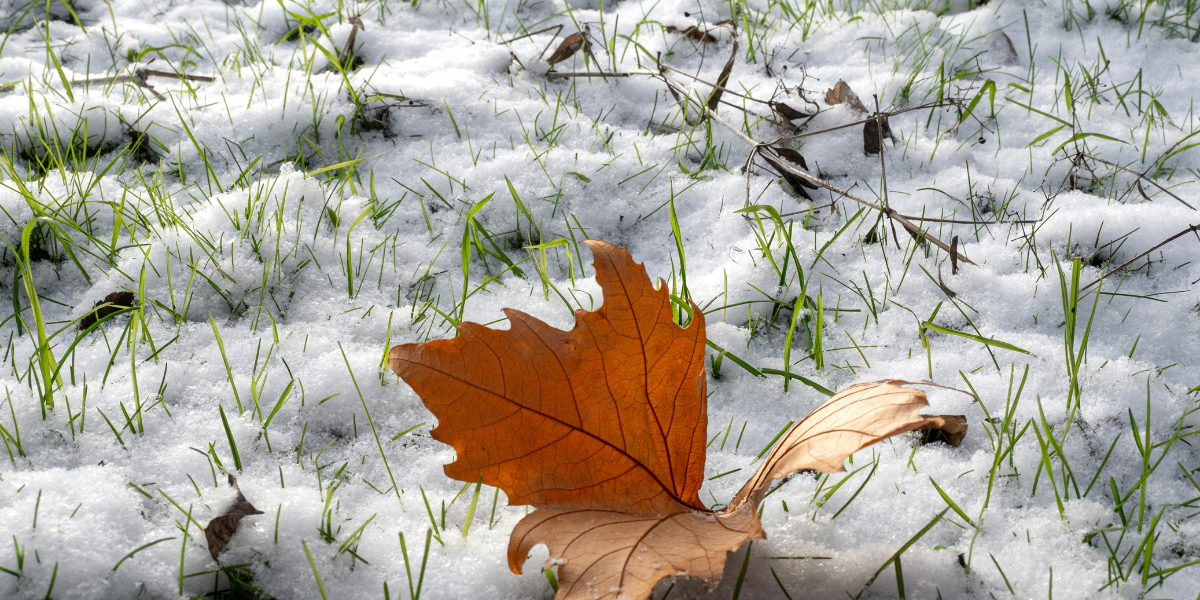
Avoid foot traffic on frosty mornings.
When you see frost, treat your lawn like it’s fragile, because it is. Those crunchy blades can break.
Don’t “clean up” too aggressively.
This is not the time for hard raking or stressing the lawn. Gentle cleanup is fine. Leaf blowers are your friend here. Aggressive dethatching or heavy disturbance is usually a mistake in winter conditions.
Keep debris off the lawn.
Move toys, furniture, firewood stacks, and any long-term items off the turf. Anything left in place for weeks can cause dead spots.
Spot-check drainage issues.
If you notice puddling that lingers for days, take note. Drainage problems can be the hidden reason lawns struggle year after year.
January: cold snaps + compaction risk
Keep paths clear (so people don’t cut across the lawn).
If you have a gate, a shed, or a driveway route people use daily, create a clear path so traffic doesn’t wear a stripe through the yard.
Salt discipline matters.
It’s easy to throw down too much. Use the minimum necessary, then sweep any leftover granules once the surface is safe.
Plan spring now .
January is a good time to plan:
- What Pre-emergent do you want to use and when?
- Which fertilizer should you use?
- When is the best time for applications?
Planning early helps you hit the spring window on time, when it actually matters.
February: early spring prep (without jumping the gun)
Watch for weeds starting early.
Warm spells in Tennessee can cause weeds to emerge before your lawn has fully greened up. If you see bright green patches in an otherwise dormant lawn, it may be weeds.
Tool tune-ups.
Sharpen blades, check trimmer line, and clean spreaders. Spring gets busy fast, and you don’t want to start behind.
Think about pre-emergent timing (don’t apply too early).
Pre-emergent weed control is all about timing. The best time depends on local conditions and soil temperatures, not the calendar alone. Don’t rush it just because you had a warm weekend.
What to skip: common winter lawn mistakes in Tennessee

This is the “what not to do” section that tends to show up in Google AI Overviews because it’s quick and actionable.
1) Walking, driving, or parking on frozen grass
Frozen turf is brittle. Repeated traffic causes thinning that shows up later. Avoid parking on lawns in winter, especially if the ground is wet or frozen.
2) Using rock salt near turf without controlling runoff
Salt burns grass and can damage nearby plants. If you use it, keep it contained on hard surfaces and sweep up excess.
3) Leaving thick leaf mats all winter
A few leaves are fine. A thick mat is not. It blocks light, traps moisture, and can lead to disease and thinning.
4) Aerating frozen ground
Aeration can be helpful in the right season for the right grass type, but doing it when the ground is frozen can damage turf and do more harm than good.
5) Overwatering (or creating puddles) before a freeze
If water pools and then freezes, you can end up with ice sheets that suffocate turf. Let winter rainfall do most of the work unless conditions are unusually dry for an extended time.
6) Cutting too short at the final mow
Scalping is one of the fastest ways to invite stress, weeds, and thin turf in spring.
Looking for Reliable Lawn Care in Chattanooga?
From fertilization and weed control to outdoor pest treatments, our team delivers services tailored to your property’s needs.
When to call a pro (save money by preventing spring repair)
A lot of winter lawn care is simple. But if you’re stuck in a cycle of “it looks bad every spring,” it’s usually not because you missed one mowing.
Consider professional help if you have:
- Recurring bare spots that come back every year
- Standing water or poor drainage
- Signs of lawn disease (circular patches, matted areas, unusual discoloration)
- Heavy soil compaction and thin turf
- Weeds that take over before you can get ahead of them
A good program ties together fertilization,weed control, and seasonal timing, so you’re not guessing.
If you’d rather have a plan built around your yard and Tennessee conditions, you can learn more atGroGreen Inc.
FAQs
Is dormant grass dead?
Usually, no. Dormant grass is resting. If the grass pulls up easily with weak roots, or if patches keep expanding, you may have a disease, pest, or drainage issue worth diagnosing.
2. Should I fertilize in winter?
Most lawns don’t need heavy winter fertilizing. Timing and grass type matter. The main mistake is fertilizing too late with high nitrogen and encouraging tender growth right before freezing.
3. Should I water my lawn in winter?
Often, winter rain is enough. The bigger risk is overwatering and creating soggy soil or puddles that freeze. If it’s unusually dry for a long stretch, a light watering during a warm window may help.
4. Can I mow in winter?
Yes, if the lawn is still growing and the ground is dry enough. Avoid mowing frozen grass or muddy lawns.
5. What’s the safest ice melt for grass?
None is perfect. Use the minimum needed, keep it off turf, and sweep leftover product off hard surfaces. Products labeled as safer for vegetation can help, but careful application matters most.
Final thought: simple winter habits = a better spring lawn
Winter lawn care services in Chattanooga
come down to two things: timing and avoiding damage. Keep mowing until growth stops. Stay on top of leaves. Protect irrigation. Be smart about traffic and ice melt. Then let the lawn rest.
When spring arrives, you’ll have fewer bare spots, fewer weeds, and a lawn that greens up faster without a ton of extra work.
If you want help building a seasonal plan for your yard, visit Trusted Lawn Care Company in Chattanooga-GroGreen Inc., and reach out to the team.