
Top 10 Common Lawn Diseases in Chattanooga and How to Fix Them
Top 10 Common Lawn Diseases in Chattanooga and How to Fix Them
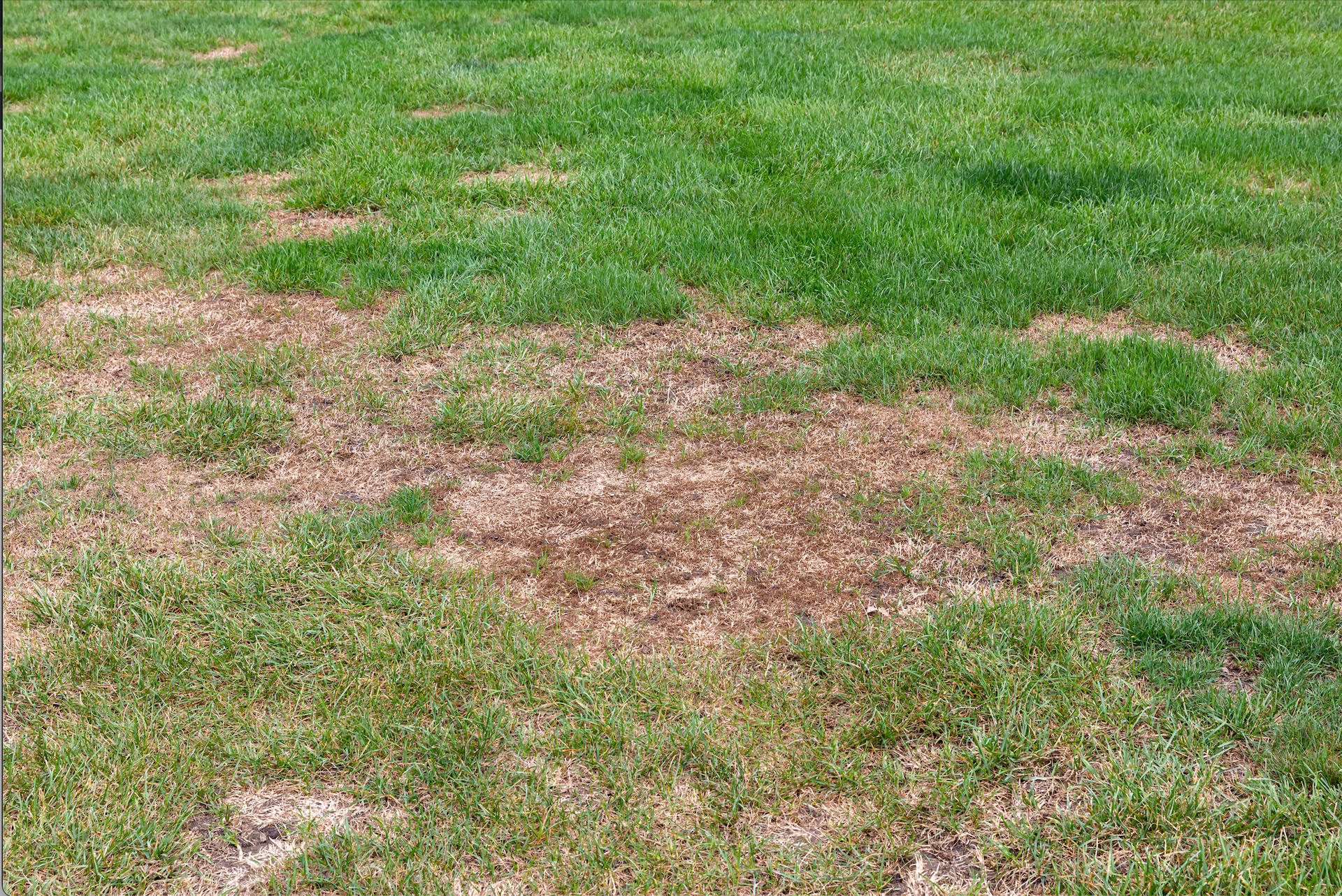
If your lawn suddenly has brown patches, thinning spots, or strange circles that seem to expand overnight, you're not alone. Lawn diseases are common in Chattanooga, especially during stretches of humidity, warm nights, heavy rain, and the "holds-water-forever" reality of clay soil. When turf stays wet too long, fungus can take off fast.
The frustrating part is that many issues look the same at first. Drought stress, insect damage, and disease can all show up as "brown spots." Treat the wrong problem (or treat too late), and you can waste money and make recovery slower.
Let's keep it simple. Check out the 10 most common
lawn diseases you might encounter in Chattanooga. We’ll help you identify them quickly, understand what causes them, and share some immediate steps you can take. Plus, we’ll discuss how to prevent them from coming back and when it’s a good idea to call in a professional like GroGreen for a thorough diagnosis and a tailored plan.
Quick answer: why lawn diseases happen here (and what to do first)
When specific conditions align, that's when lawn diseases really start to thrive:
Too much moisture (frequent watering, heavy rain, poor drainage, thick thatch)- Heat + humidity (especially warm nights)
- Poor airflow (dense turf, shade, compacted soil)
- Lawn stress (scalping, dull blades, heavy nitrogen, compaction)
First steps that help most Chattanooga lawns:
- Water early morning (not evenings/nights).
- Stop "a little every day" watering water deeper, less often. 1-1.5” per week
- Mow with a sharp blade and avoid scalping.
- Pause heavy nitrogen during peak disease weather.
- If patches are spreading, confirm the diagnosis before applying products.
When you want a local team to identify what's happening and build a plan that actually fits Chattanooga's conditions, GroGreen can help.
Before you treat: how to tell disease vs. drought vs. insects
Signs it's more likely a lawn disease
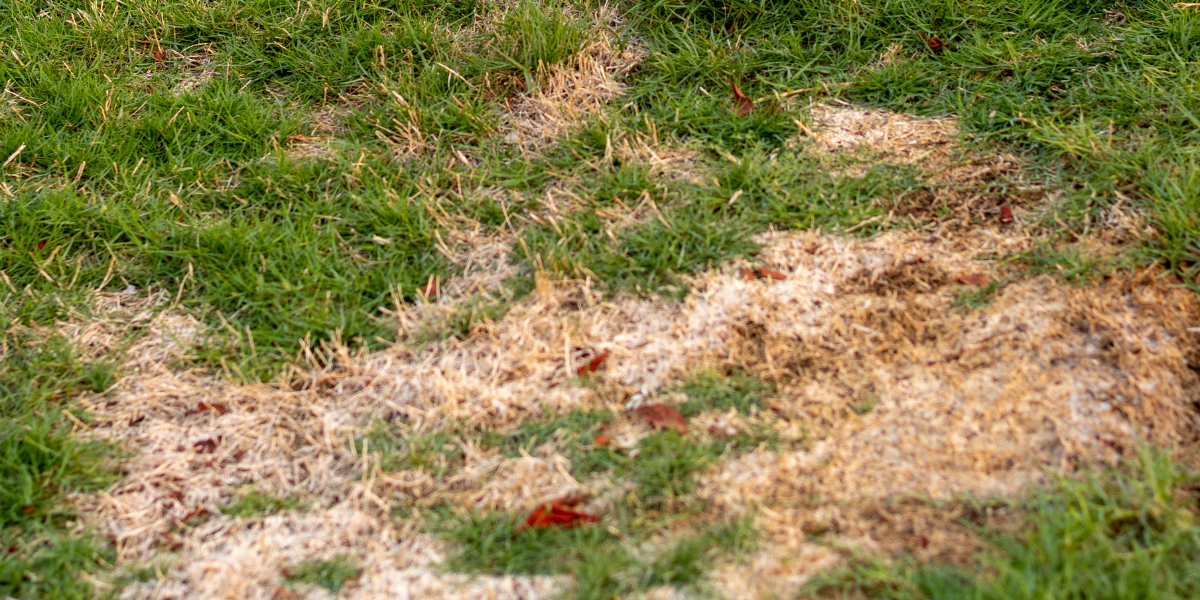
- Circular patches or defined edges (rings, arcs, "smoke ring" borders)
- Grass looks matted, greasy, slimy, or water-soaked
- Damage spreads quickly after warm, humid, rainy weather
- You see leaf spots, orange dust, or pink/red threads
Signs it's more likely to be drought stress
- Larger areas look uniformly dull/gray-green
- Footprints remain after walking across the lawn
- Turf improves after a deep soaking (unless severely damaged)
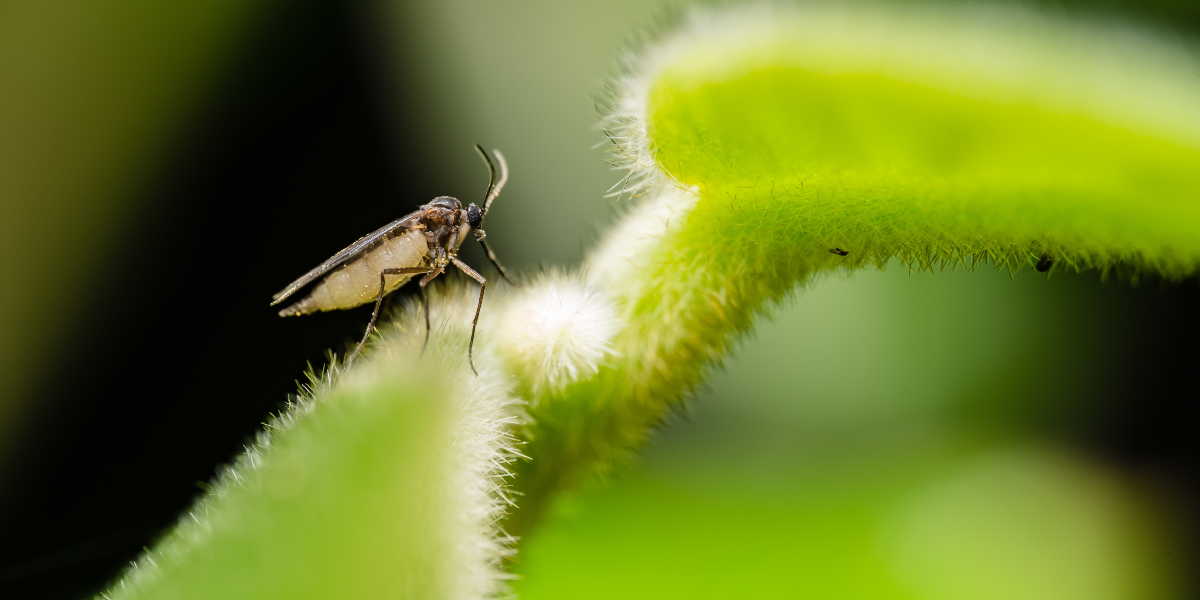
Signs it might be insects
- Grass pulls up like carpet (roots are damaged)
- Birds/critters digging, irregular chewed areas
- Patchy damage that worsens quickly, especially in hot weather
Why this matters: the wrong treatment wastes time. For example, adding extra water to a fungal issue can accelerate spread, while applying fungicide to insect damage won't fix the cause.
10 most common lawn diseases in Chattanooga (symptoms + causes + fixes)

Below, each disease includes: fast ID, why it happens, what you can do now, and how to prevent it.
1) Brown Patch
What it looks like (fast ID): Brown Patch is the most common turf disease that affects fescue grass. You might notice large, circular brown patches that sometimes have a darker edge resembling a "smoke ring." These patches tend to flare up during those hot, humid days.
Why does it happen?: Well, it’s those warm nights, that sticky humidity, and the glistening wet leaves.
What you can do now:
- Switch watering to early morning only. Be finished by 7am.
- Avoid nitrogen-heavy fertilizer during an active outbreak
- Mow at the right height; don't scalp
- Improve airflow (thin overly dense edges, reduce shade when possible)
How to prevent it:
- Avoid night watering and prolonged leaf wetness
- Make sure to mow regularly with a sharp blade to keep everything looking neat
- Reduce compaction with Lawn Aeration when needed
2) Dollar Spot
What it looks like: Small, straw-colored spots (coin-sized) that can merge into larger, thin areas.
Why it happens: Prolonged leaf wetness and often low nitrogen or uneven fertility.
What you can do now:
- Water your lawn only in the morning and steer clear of keeping the grass damp overnight
- Make sure your fertilization plan is balanced, no need to go overboard!
- Enhance airflow by cutting back on thatch and thick growth
To prevent issues:
- Consistent, balanced fertilization schedule
- Morning watering and better drainage
- Consider Lawn Aeration and Overseeding for thin, stressed lawns
3) Red Thread
What it looks like: Pink/red thread-like strands on blades; patches look thin and dull.
Why it happens: Often during cool, wet stretches and in lawns that are nutrient-stressed.
What you can do now:
- Clean up mowing/watering habits
- Support turf health with a balanced feeding plan
- Reduce shade-related moisture problems
How to prevent it:
- Maintain steady nutrition and reduce stress
- Improve airflow in shaded zones (trim back shrubs/trees if possible)
Looking for Reliable Lawn Care in Chattanooga?
From fertilization and weed control to outdoor pest treatments, our team delivers services tailored to your property’s needs.
4) Rust
What it looks like: Orange "dust" on shoes or mower wheels; lawn looks yellowish and thin.
Why it happens: Turf is growing slowly due to low fertility, shade, or drought stress.
What you can do now:
- Mow regularly with sharp blades (bag clippings if heavy)
- Improve turf vigor with balanced fertilizer
- Water properly deep, not frequent sprinkles
How to prevent it:
- Keep the lawn actively growing (without overdoing nitrogen)
- Reduce shade and compaction where possible
5) Leaf Spot / Melting Out
What it looks like: You might notice spots or lesions on the grass blades, along with some thinning patches. In more severe cases, it can appear as if sections of the lawn have "melted" away.
Why it happens: Prolonged moisture + stress, often during seasonal transitions.
What you can do now:
- Less irrigation, only in the mornings
- Heavy fertilization should be avoided in the activity of the disease
- Mow properly and remove clumps so that there is better ventilation
How to prevent it:
- Consistent mowing height and watering schedule
- Reduce thatch and compaction with Lawn Aeration
6) Pythium Blight
What it looks like: The appearance of greasy and water-soaked spots that have the propensity to spread very rapidly during hot and humid conditions. Turf may mat down.
Why it happens: Wet turf and high water content + lack of airflow, usually aggravated by excessive nitrogen and watering in the evening.
What you can do now:
- Stop evening watering immediately
- Improve airflow and reduce wetness (thin dense areas, correct drainage)
- If it's spreading quickly, pro diagnosis is usually the best move
How to prevent it:
- Water early mornings; avoid nighttime leaf wetness
- Be careful with nitrogen in peak heat/humidity
- Address drainage and compaction issues proactively
Looking for Reliable Lawn Care in Chattanooga?
From fertilization and weed control to outdoor pest treatments, our team delivers services tailored to your property’s needs.
7) Fairy Ring
What it looks like: Dark green circles, mushrooms, or rings with dead grass in the middle.
Why it happens: Soil fungi affect nutrient availability and water movement.
What you can do now:
- Keep moisture consistent (avoid extreme dry/wet swings)
- Lawn Aeration can help water move through affected areas
- Severe cases may need targeted treatment
How to prevent it:
- Improve soil structure and drainage
- Reduce compaction and excessive thatch buildup
8) Powdery Mildew (especially in shade lawns)
What it looks like: White/gray powdery coating on blades, common in shady, damp areas.
Why it happens: Shade + poor airflow + prolonged moisture on the leaf surface.
What you can do now:
- Increase sunlight/airflow if possible (prune canopy)
- Water in the morning and only as needed
- Avoid overly dense, constantly damp turf
How to prevent it:
- Improve shade conditions and airflow
- Maintain proper mowing height and reduce matting
9) Gray Leaf Spot
What it looks like: Leaf lesions/spots; can cause thinning during warm, humid periods.
Why it happens: Heat + humidity + turf stress (often intensified by excess nitrogen).
What you can do now:
- Avoid heavy nitrogen during outbreaks
- Water mornings only
- Reduce stress with correct mowing and traffic management
How to prevent it:
- Better fertilization timing and mowing consistency
- Strengthen turf density with Lawn Aeration & Overseeding where appropriate
10) Take-All Root Rot (common in stressed warm-season turf)
What it looks like: Decline that mimics drought watering doesn't fix it because roots are compromised.
Why it happens: Often tied to stress and soil/environmental conditions; not usually a quick DIY fix.
What you can do now:
- Avoid overwatering
- Reduce stress (raise mowing height slightly, limit traffic)
- Consider a soil test and a pro plan for recovery
How to prevent it:
- Build healthier soil and stronger roots over time
- Reduce compaction with Lawn Aeration and improve drainage
Chattanooga-friendly prevention checklist (simple habits that work)
If you want fewer outbreaks, focus on the fundamentals that reduce moisture and stress:
- Watering: early morning; deep, not nightly
- Mowing: sharp blade; don't scalp; bag heavy clumps if needed
- Reduce compaction and thatch: schedule Lawn Aeration
- Fertilize smart: balanced plan; avoid heavy nitrogen during peak heat/humidity
- Improve drainage and airflow: fix low spots, thin dense borders, and prune shade
- Clean-up: remove leaf mats and debris; limit traffic on soggy turf
When your lawn is a little rough or it is recovering after some damage, aeration and seeding is generally the fastest method of restoring the green to your lawn, particularly with cool-season grass. GroGreen offers Lawn Aeration and Overseeding services, specifically designed to meet local conditions. This includes Lawn Seeding in Chattanooga, perfectly timed for the best results.
When to call a pro (and why it's worth it)
DIY works for mild issues, especially when you catch them early and fix watering/mowing habits. But it's time to bring in help when:
- The patch is spreading rapidly
- You suspect multiple issues (disease + insects + compaction/drainage)
- You changed watering/mowing, and it's still getting worse
- The same area fails every year (often due to compaction, shade, or soil-related issues)
A targeted plan is usually cheaper than repeating random treatments. If you want a local team to identify the problem and build a clear path to recovery, GroGreen provides lawn disease service plus full programs (fertilization, weed control, aeration & seeding, soil amendments, and more)
FAQs
1. Can lawn disease go away on its own?
Sometimes mild cases fade when the weather shifts. But if the cause (excess moisture, compaction, stress) stays the same, it often returns.
2. Should I fertilize when I have lawn fungus?
Avoid heavy nitrogen during active outbreaks. It can push tender growth and worsen certain diseases: a balanced plan and proper timing matter.
3. How long does it take for grass to recover?
Many lawns show improvement within a few weeks once habits are corrected. Thin or damaged areas may need Lawn Aeration and Overseeding or targeted Lawn Seeding in Chattanooga during the right season.
4. Is treatment safe for kids and pets?
Always follow label directions and re-entry times. If a professional applies a treatment, ask for the exact guidance for your yard.
5. Can I reseed after the disease?
Yes, once disease pressure is reduced and the lawn is prepped properly. Overseeding after aeration is a common way to rebuild density and prevent weeds from moving into thin spots.
Get a clear diagnosis and a plan that works
Chattanooga's weather can sometimes make it feel like lawn disease is just around the corner, but with the right approach to watering, mowing, and soil care, you can actually prevent most outbreaks. And if disease does strike, getting a quick and accurate diagnosis can really turn things around.
If your lawn is thinning, patchy, or you're stuck in the same cycle every year, GroGreen can help with diagnosis, treatment, and recovery steps, including Lawn Aeration, Lawn Aeration & Overseeding, and a reliable Lawn Overseeding Service tailored to Chattanooga lawns.
Have questions or want a quote? Reach out to the
GroGreen team today -we're happy to help.