
Top Irrigation Mistakes Chattanooga, TN Homeowners Make
Top Irrigation Mistakes Chattanooga, TN Homeowners Make
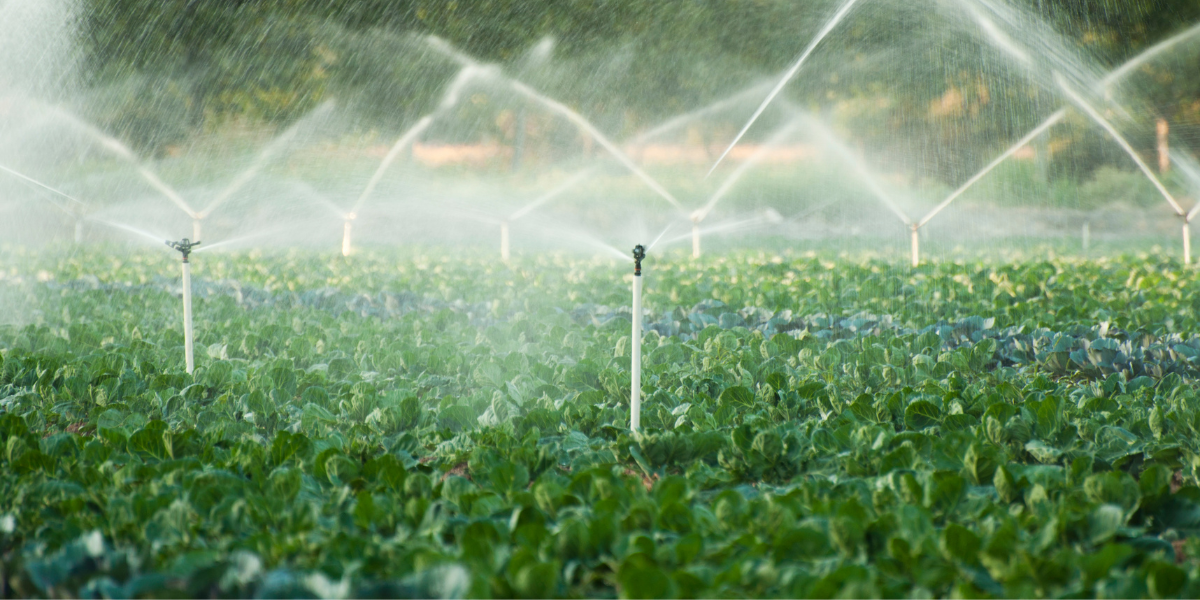
A green, healthy lawn in Chattanooga looks effortless from the curb, but behind the scenes, irrigation is often the make-or-break factor. Because our area swings between humid stretches, sudden downpours, and hot summer stress, it’s easy for even well-meaning homeowners to run into irrigation problems that quietly weaken turf over time. The result? Thin grass, patchy color, weeds that seem impossible to stop, and disease that spreads fast once it gets started.
The good news is most watering issues are fixable. In this guide, we’ll break down the most common irrigation mistakes Chattanooga homeowners make, how to spot them early, and the irrigation solutions that protect your investment in your landscape.
when DIY watering adjustments aren’t enough, we’ll also cover when it makes sense to lean on professional lawn care, lawn treatment services, and a proven lawn care program, including how GroGreen can help restore and maintain a lawn that thrives in Tennessee conditions.
Overwatering Your Lawn in Chattanooga’s Humid Climate
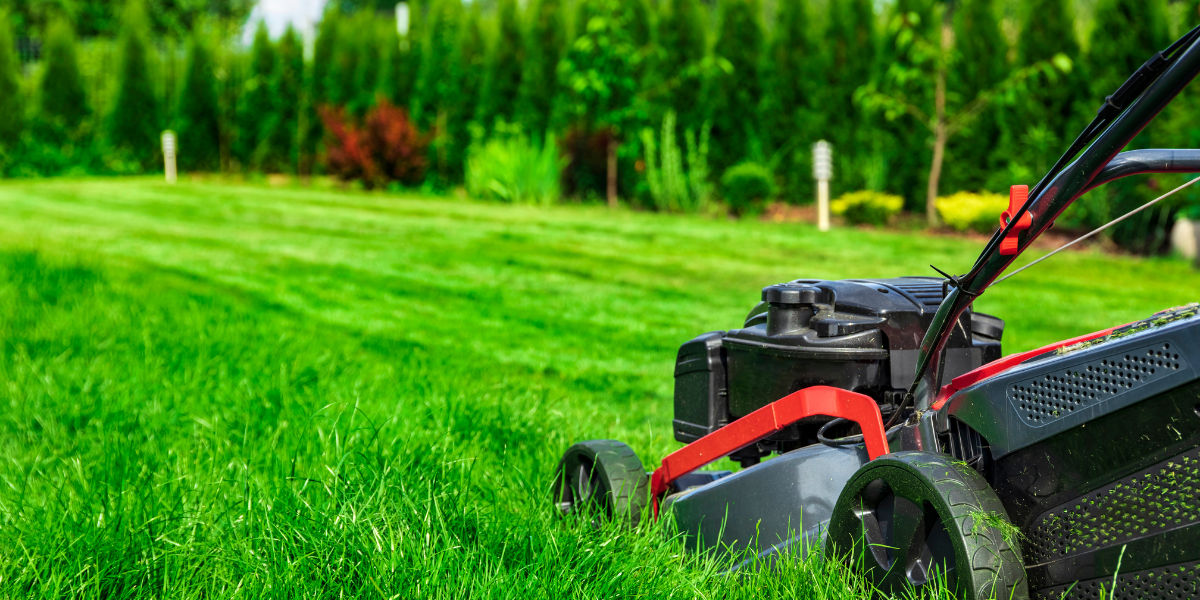
Overwatering is one of the most common irrigation problems in the Scenic City, especially in spring and early summer when humidity is already high. Many homeowners assume more water equals greener grass, but lawns don’t work that way. When the soil stays constantly wet, grass roots become shallow and weak. That makes your lawn more dependent on frequent watering and less able to handle heat, foot traffic, and disease.
Chattanooga’s humidity adds another layer: moisture lingers on grass blades longer, and consistently damp conditions create the perfect environment for fungus. Over time, overwatering can actually make your lawn look worse, yellowing, thinning, and developing soft spots that never seem to dry out.
Signs You’re Overwatering Your Lawn
Not sure if you’re watering too much? Here are the most common clues:
- Mushy soil or footprints that remain visible long after you walked across the yard
- Water pooling in low areas even when it hasn’t rained
- Yellowing grass that looks “sick” rather than dry
- Thinning turf and bare patches that don’t bounce back
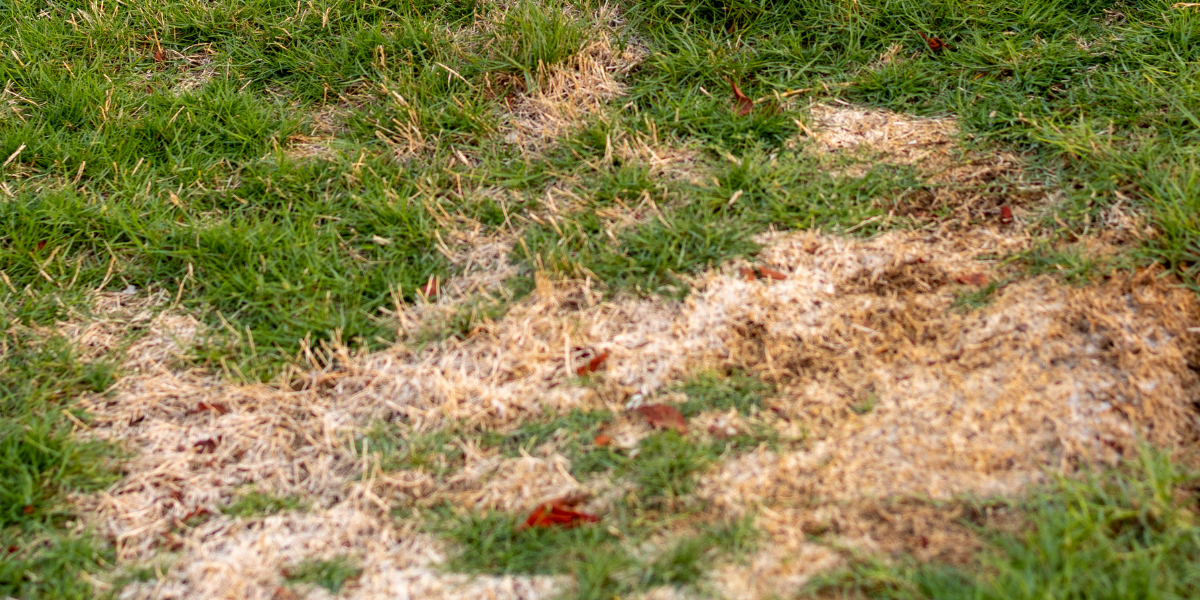
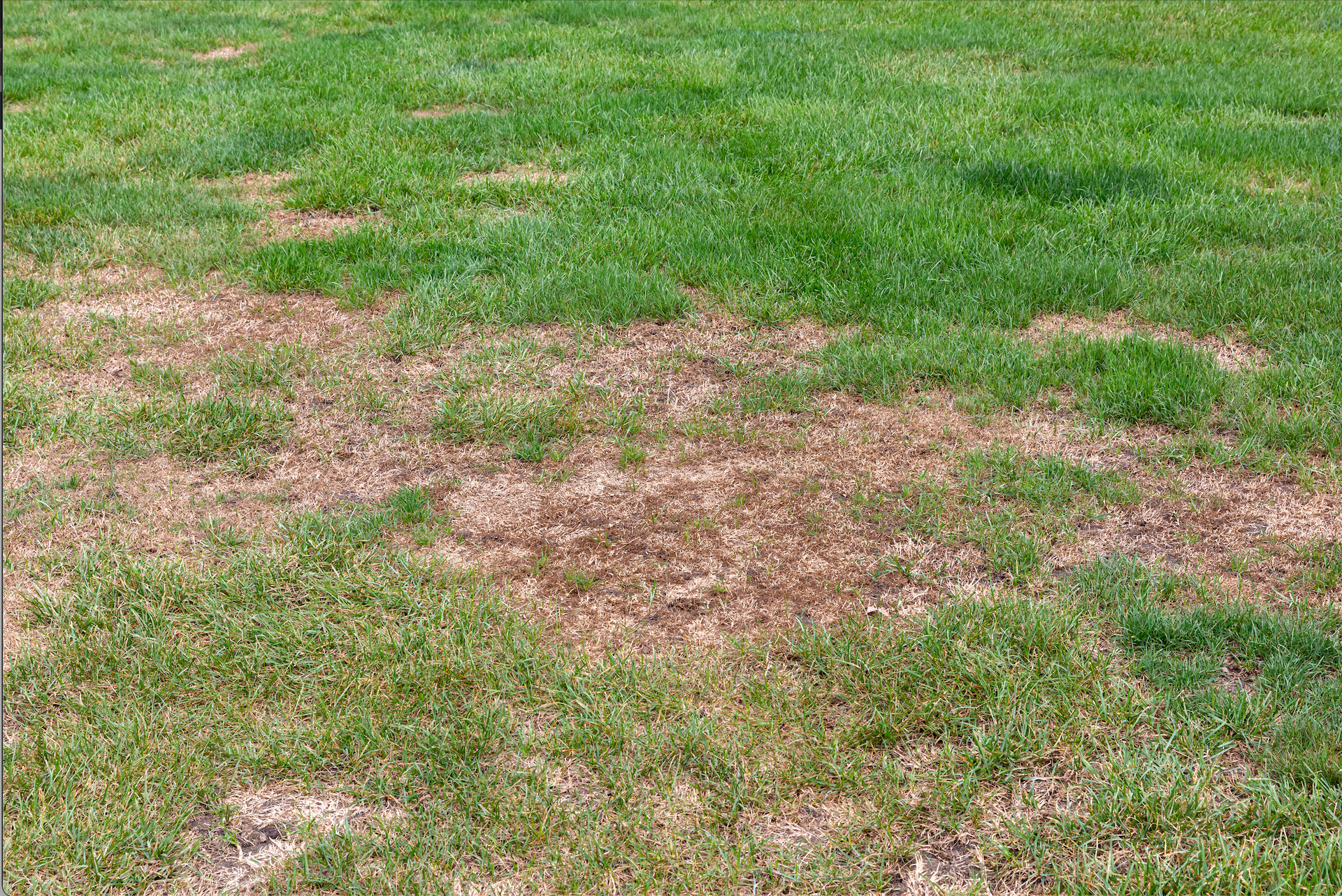
- Fungus symptoms like circular patches, cottony growth, or streaky discoloration
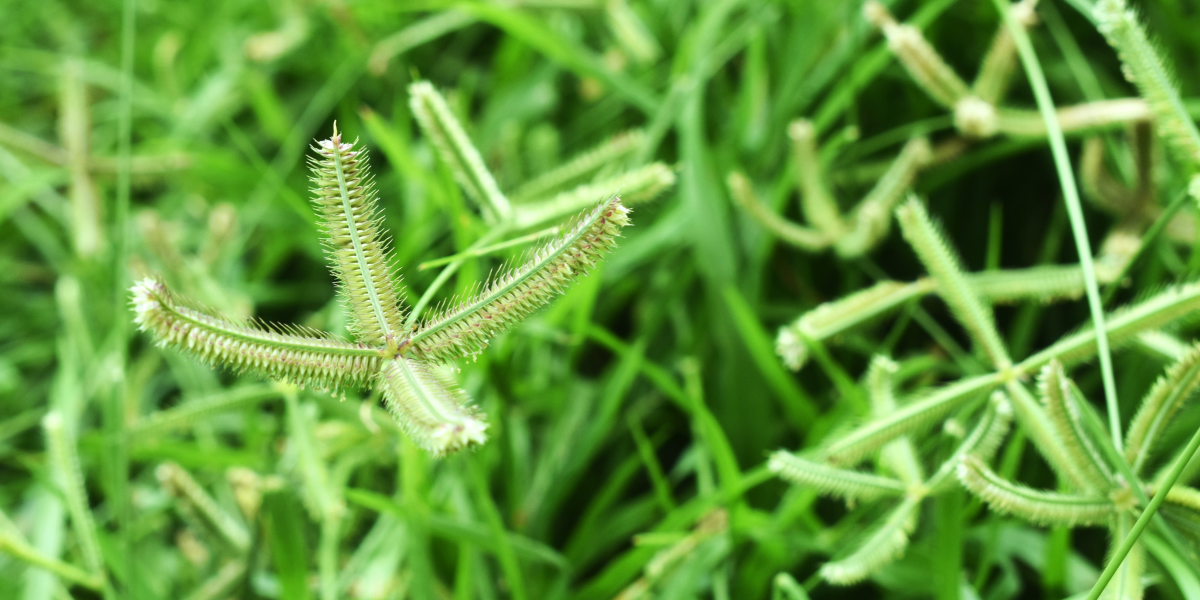
- More weeds, especially sedges and moisture-loving broadleaf weeds
A key detail: overwatered lawns can look deceptively “lush” for a short time. But that fast top-growth often comes with weaker roots, which leads to bigger problems once the weather turns hot.
How Lawn Disease & Fertilization Services Help
When overwatering triggers disease, cutting back irrigation is step one, but recovery often requires a smart plan. This is where lawn treatment services can make a difference. Proper fertilization supports root development and helps turf repair damaged areas, but timing and product choice matter. Over-fertilizing a stressed lawn can worsen disease pressure.
A balanced approach that pairs irrigation adjustments with targeted treatments can help the lawn rebound faster and reduce the chance of recurring fungal outbreaks. Done correctly, fertilization isn’t just “feeding grass,” it’s part of a long-term strategy to stabilize turf and improve resilience.
Safe. Effective. Professional Pest Protection
Gro Green delivers trusted pest control services in Chattanooga, Tennessee to keep your property safe, clean, and pest-free.
Get Free InspectionWatering at the Wrong Time of Day
In Chattanooga, watering at the wrong time often leads to wasted water and higher disease risk. A lot of homeowners water in the evening because it’s convenient, but that typically leaves grass wet overnight,exactly when fungal pathogens love to spread.
On the other hand, watering midday in peak sun can lead to excessive evaporation and inconsistent coverage, meaning the lawn still doesn’t get what it needs.
Best Time to Water Lawns in Chattanooga, TN
For most Chattanooga lawns, the best watering window is:
- Early morning (roughly 4 a.m. to 7 a.m.)
This timing allows water to soak into the soil before the day heats up, while giving grass blades time to dry. That single change can solve multiple irrigation problems at once: better absorption, less evaporation, and reduced disease pressure.
If you’re using an irrigation controller, set cycles to match your soil type (clay-heavy soils often do better with “cycle-and-soak” watering). And remember: rainfall counts. If your system runs automatically, use a rain sensor or smart controller to avoid watering when nature already did the job.
Preventing Fungal Growth with Professional Lawn Care
If your lawn repeatedly develops brown patches, thinning circles, or streaking discoloration during humid periods, it may not be “just the heat.” It may be disease encouraged by irrigation timing and prolonged leaf wetness.
Professional lawn care can help identify whether you’re dealing with fungus, nutrient issues, or a combination of both. Once you know the cause, you can make smarter changes to watering habits and protect your lawn with the right seasonal treatments, rather than guessing and hoping the issue clears on its own.
Ignoring Soil Compaction and Drainage Issues
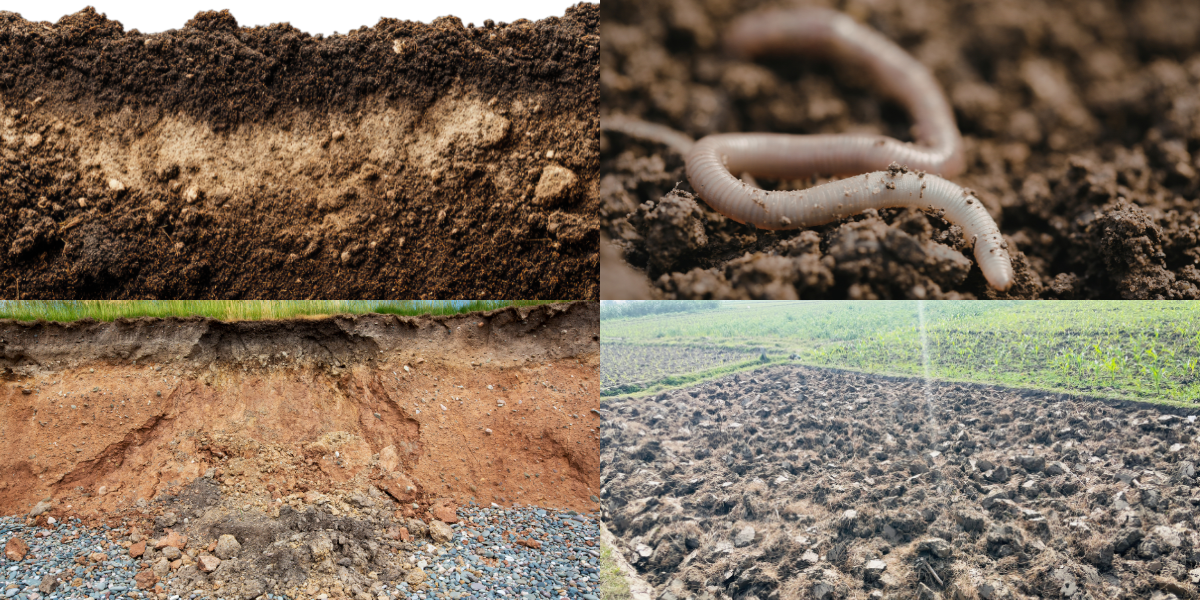
Even a perfectly designed irrigation schedule can fail if your soil can’t absorb water. Compacted soil is extremely common in residential lawns, especially in high-traffic areas, new construction neighborhoods, and clay-heavy Chattanooga soils. When soil is compacted, water can’t move downward efficiently, which leads to runoff, pooling, and shallow roots.
If your lawn seems dry even after watering, or soggy in some areas and dry in others, compaction and drainage should be on your checklist of irrigation problems.
Why Water Pools on Your Lawn
Pooling usually points to one or more of these causes:
- Compacted soil preventing infiltration
- Low spots where water collects naturally
- Heavy clay content that drains slowly
- Thatch buildup creating a spongy layer that blocks water movement
- Irrigation output mismatch (too much water too fast for the soil to absorb)
Left alone, pooling contributes to disease, attracts weeds, and can even damage turf roots due to lack of oxygen in the soil.
Aeration & Soil Amendment Solutions
Core aeration is one of the most effective, practical irrigation solutions for compacted lawns. Removing small soil plugs through aeration helps improve:
- Water infiltration
- Oxygen exchange for roots
- Nutrient absorption
- Root depth and drought tolerance
In some cases, soil amendments can also help improve structure over time, especially when combined with an ongoing lawn care program that supports soil health, not just surface color.
Inconsistent Watering Schedules
Another major mistake is watering in a random pattern, heavy for a few days, then nothing for a week, then “catching up” with long watering sessions. Inconsistent watering trains grass roots to stay near the surface, which makes your lawn more vulnerable to heat stress and weed invasion.
Consistency doesn’t necessarily mean watering every day. It means watering in a way that supports deep roots and steady turf growth.
How Inconsistent Watering Encourages Weeds
Weeds are opportunists. When turf is stressed by inconsistent moisture, weeds move in fast, especially in thin areas. Many common weeds thrive in lawns that are either:
- Too dry for grass to compete effectively, or
- Too wet in patches where turf declines and soil stays exposed
Once weeds establish, they steal water and nutrients, making it even harder for grass to recover.
Strengthening Turf with Weed Control & Fertilization
A strong lawn is the best weed prevention strategy. Weed control works best when it’s paired with proper fertilization and healthy turf density. This is where professional lawn care and lawn treatment services are especially valuable: they help build a thicker, more competitive lawn so weeds have fewer openings to take hold.
The goal isn’t just “kill weeds.” It’s to create conditions where grass consistently wins.
Safe. Effective. Professional Pest Protection
Gro Green delivers trusted pest control services in Chattanooga, Tennessee to keep your property safe, clean, and pest-free.
Get Free InspectionFailing to Adjust Irrigation for Chattanooga’s Seasonal Changes
Chattanooga weather isn’t static. Rainfall patterns change, temperatures swing, and lawns have different needs across the year. One of the easiest ways to create irrigation problems is leaving your system on the same schedule month after month.
A spring schedule can be too aggressive in a rainy period, and not aggressive enough during extended summer heat.
Summer Heat Stress & Lawn Recovery
During Chattanooga’s hot stretches, lawns can experience heat stress even when watered. You may notice:
- Bluish-gray tint to grass
- Footprints that linger
- Leaf blades curling or folding
- Thinning in sunny areas
In these periods, watering strategy matters as much as water volume. Deep, infrequent watering (adjusted for soil type) typically supports deeper roots than frequent shallow watering. And if your lawn is already stressed from earlier overwatering or compaction, recovery can take longer.
Year-Round Lawn Maintenance Programs
A seasonal lawn care program helps align watering, fertilization, and weed control with what the lawn actually needs at each stage of the year. Instead of reacting to problems, you prevent them, supporting steady growth in spring, resilience in summer, and stronger root development heading into fall.
Year-round planning is one of the biggest differences between a lawn that merely survives and one that stays consistently healthy.
Overlooking Irrigation Impact on Trees & Shrubs

Many homeowners focus irrigation entirely on turf and forget that watering patterns affect the rest of the landscape. Trees and shrubs can suffer from both overwatering and underwatering, especially when sprinkler heads are aimed incorrectly or when lawn zones run too frequently.
Shrubs often need deep, less frequent watering, while turf watering can be shallow and frequent if not managed carefully. When those needs clash, plants can decline slowly and silently.
Signs of Overwatered or Underwatered Shrubs
Shrubs under irrigation stress may show:
- Yellowing leaves (overwatering is a common cause)
- Leaf drop or sparse growth
- Wilting even when soil seems wet (root damage)
- Dieback on branch tips
- Fungus or root rot symptoms in persistently wet soil
Because these symptoms can overlap, it’s easy to misdiagnose, leading to more watering, more stress, and more decline.
Tree & Shrub Care Services for Landscape Protection
Tree and shrub health is a long game. The wrong watering pattern can weaken plants and invite pests or disease. Targeted professional lawn care that includes shrub and tree support can help protect the entire landscape, not just grass, by improving watering strategy, correcting zone issues, and supporting plant health with appropriate treatments.
When to Call a Professional Lawn Care Company in Chattanooga, TN
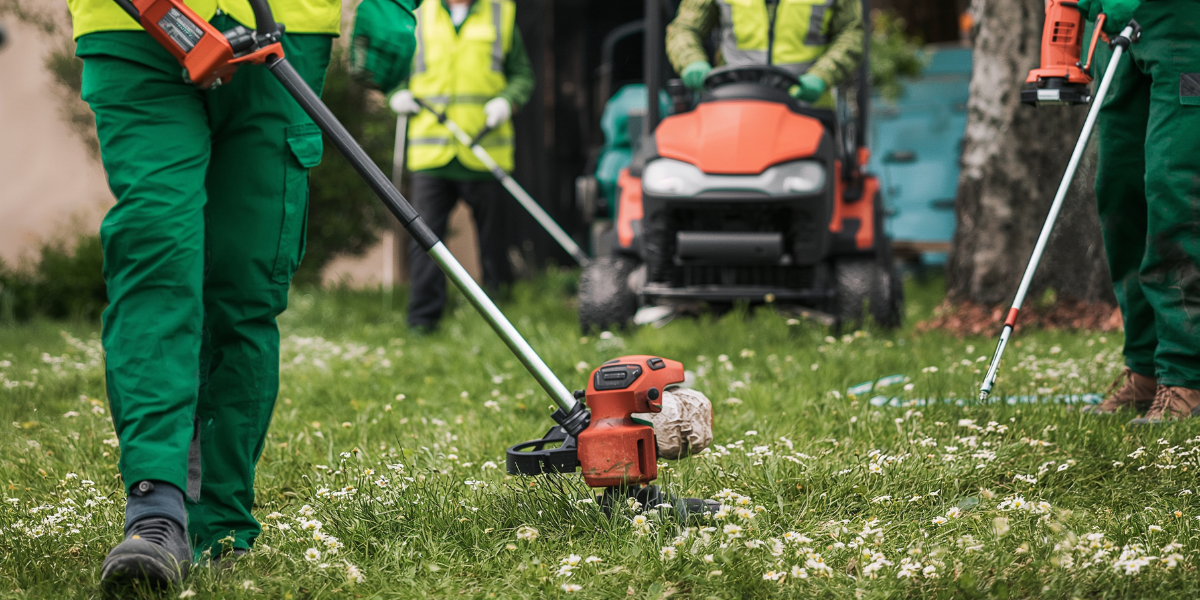
DIY adjustments can solve simple problems, like changing your watering time or reducing run days. But if you’re seeing recurring damage, uneven turf, or persistent weeds and disease, it’s often faster (and more cost-effective) to bring in a local pro who understands Chattanooga lawns.
Here’s when it’s time to call:
- You’ve adjusted watering but still see irrigation problems (brown patches, pooling, thinning)
- Fungal disease keeps returning in humid months
- Weeds are spreading faster than your lawn can fill in
- The lawn feels “stuck” despite watering and mowing correctly
- You need a plan that ties together irrigation, fertilization, and weed control
Lawn Restoration After Irrigation Damage
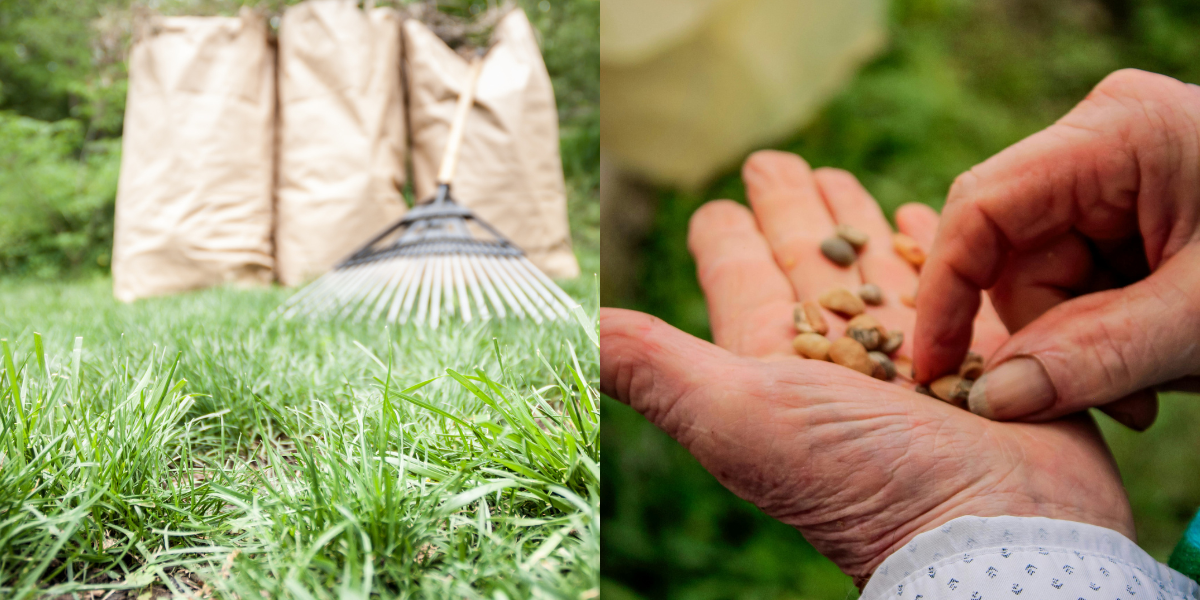
If overwatering, compaction, or inconsistent watering has already thinned your turf, restoration often requires more than turning sprinklers down. A restoration approach may include aeration, targeted fertilization, weed control, and a step-by-step schedule to rebuild density. The key is rebuilding the root system while preventing weeds from taking over open soil.
Safe. Effective. Professional Pest Protection
Gro Green delivers trusted pest control services in Chattanooga, Tennessee to keep your property safe, clean, and pest-free.
Get Free InspectionPreventing Future Irrigation Mistakes
Prevention is where a great provider earns their keep. The right partner helps you avoid repeating the same cycle each season by aligning watering habits with:
- soil conditions
- turf type
- shade/sun exposure
- seasonal weather patterns
- long-term turf health goals
That’s how you move from short-term fixes to durable irrigation solutions.
How GroGreen Can Help for Irrigation Mistakes
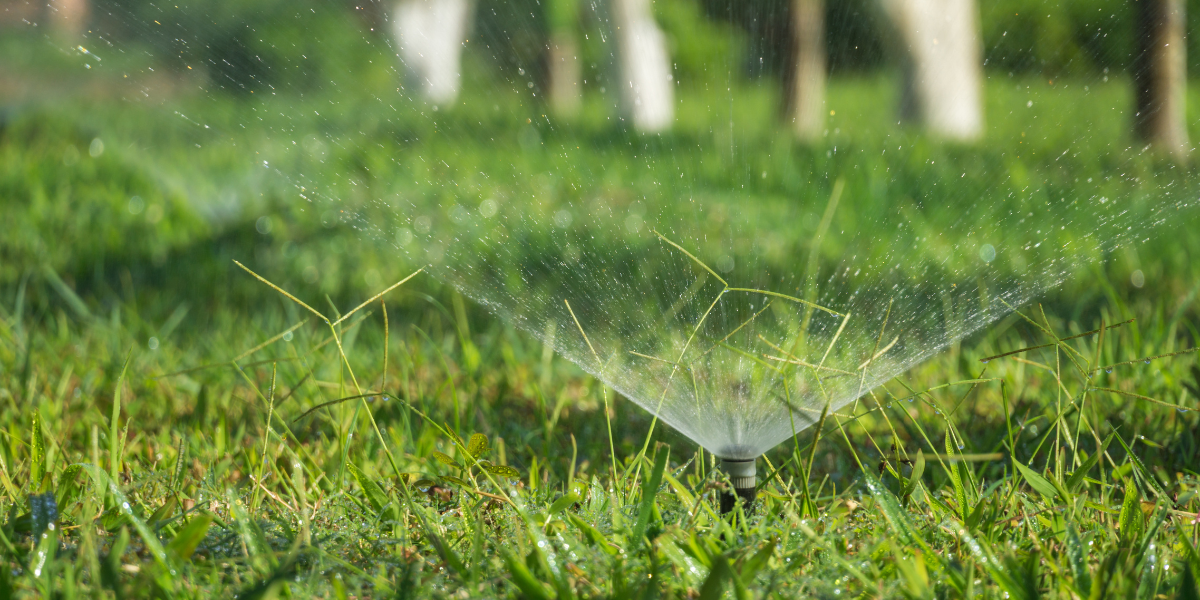
GroGreen can help Chattanooga homeowners connect the dots between irrigation habits and lawn performance with professional lawn care, tailored lawn treatment services, and a consistent lawn care program designed for local conditions. Whether your lawn needs recovery after watering damage or you simply want fewer surprises each season,the next step is getting a clear plan, based on what your lawn is doing right now.