How to Get Rid of Crabgrass Without Killing Your Grass
How to Get Rid of Crabgrass Without Killing Your Grass
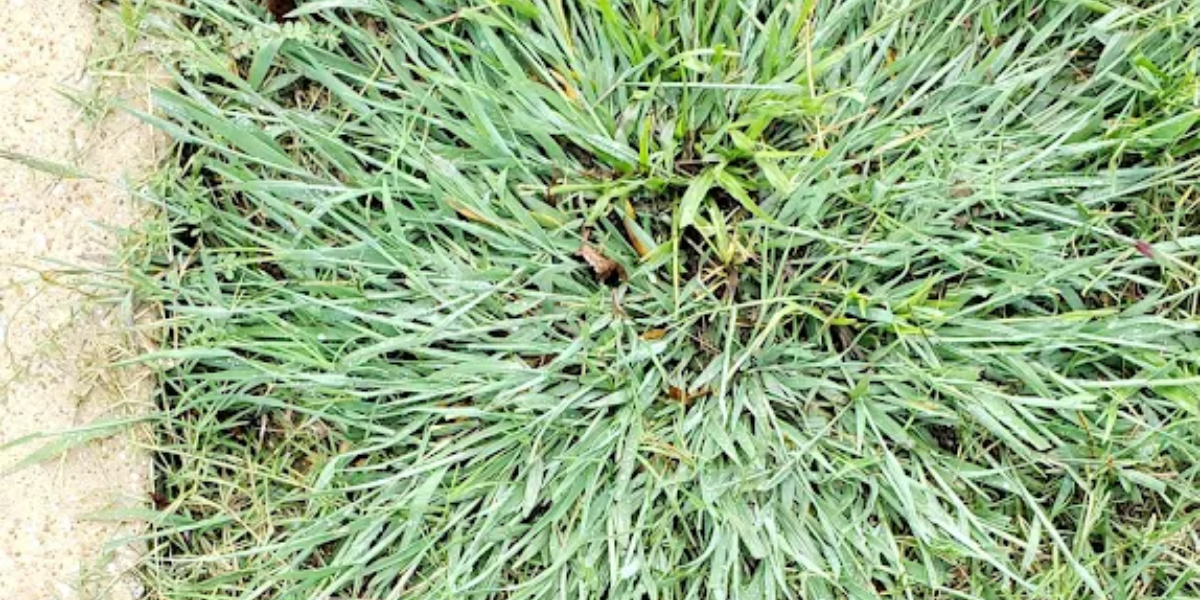
You, Tennessee homeowner, must have declared war on one of the most incessant infiltrators of your lawn, crabgrass. This recalcitrant weed appears to multiply at night and spread like wildfire upon your formerly neat lawn, and kills out the bluegrass you have gone so hard to keep trimmed. What makes the frustrations even greater is when you find that most of the removal techniques have the potential to destroy or kill the very grass you are trying to save.
To know how to kill crabgrass without destroying your lawn, one needs knowledge, time, and a proper approach. Most homeowners make the mistake of using harsh chemicals or rough methods, which cause brown spots and thin lines that worsen the situation in the long term. The good news? You can still recover your lawn care with the right strategies in managing your lawn and specific ways on how to control crabgrass without causing collateral damage.
In this blog, you will learn the exact reason why crabgrass causes problems in Tennessee lawns, effective prevention measures that are put in place to prevent it before it occurs, and safe methods of removing it from the lawns that already have it. It can be DIY or a professional using lawn weed control in Tennessee, but we will get you everything you need for a healthy, thick, and crabgrass-free lawn.
What is Crabgrass and Why Is It a Problem?
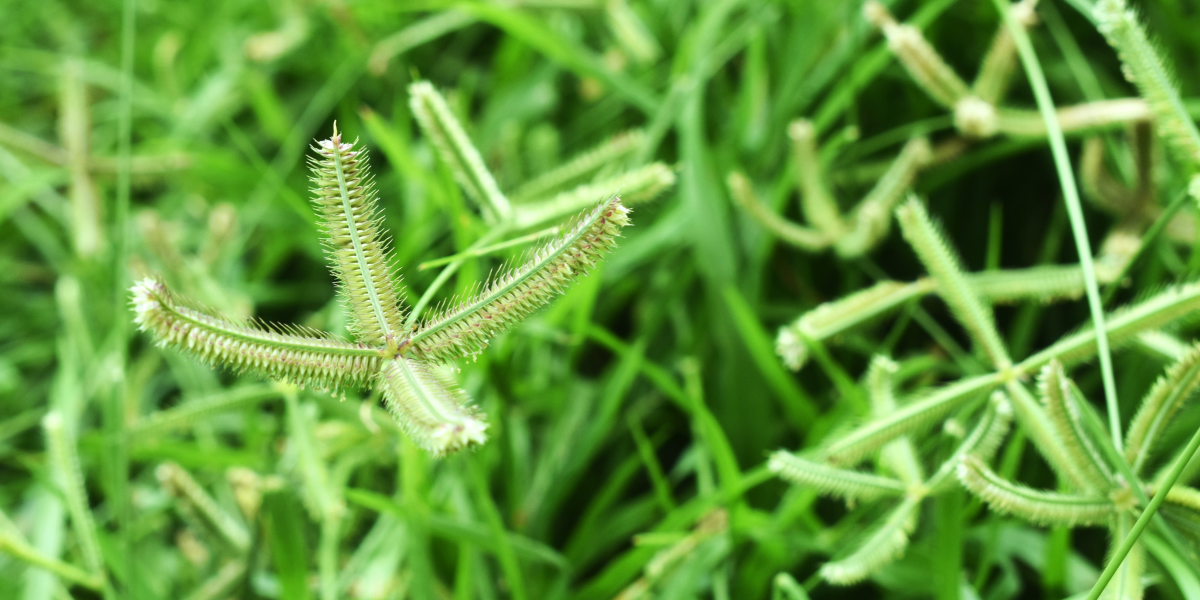
Crabgrass is an annual grassy weed that grows very quickly in warm weather and is a major problem for homeowners in Tennessee. Crabgrass does not form a root system, and thus, all of this happens in a single season, compared to perennial weeds that grow each year off the same root system. It is important to note that this does not make it dangerous. One crabgrass plant can bear up to 150,000 seeds, which means that your invasion will be ready next year before you can even notice what is going on.
Crabgrass is not that bad; however, it is not only the appearance, since its light green color and roughness will surely contrast with your darker and smoother turf grass. The problem is the extent to which it competes with your healthy grass for the resources it needs. The root system of crabgrass is shallow and extensive, and quickly monopolizes water, nutrients, and sunlight at the top of the soil. Spreading outwards like a crab (which is why it is called so), it forms thick beds which suffocate the grass about it, and leave bare areas growing larger and larger.
The crabgrass in Tennessee will germinate in late spring when the soil has a constant temperature of 55-60°F, and this is normally mid-April to May. It grows well in the hot, humid summer and into the fall, when the first frost kills it. It has, by this time, however, already thrown away thousands of seeds, which are lying in your soil in rest, ready to sprout the next spring. This cycle makes crabgrass prevention and crabgrass removal an ongoing battle without the right lawn care strategy.
What Causes Crabgrass to Grow?
The first step in avoiding crabgrass is knowing why it is invading your lawn. This opportunistic weed does not simply grow anywhere--it takes advantage of the areas of your turf where healthy grass would have grown instead of the healthy grass.
1. Thin or Bare Lawn Areas
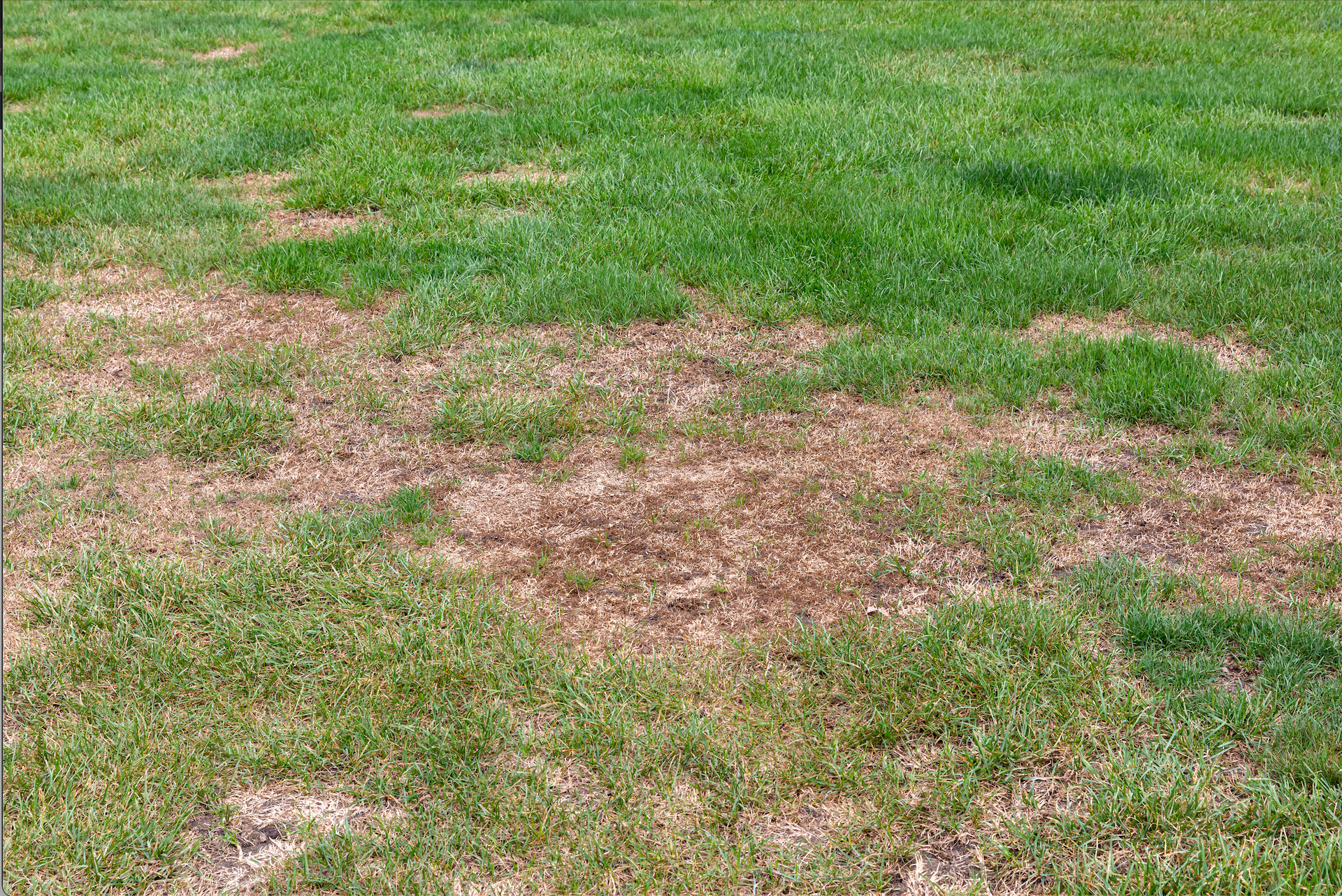
Crabgrass seeds require sun to germinate, which means they grow in thin or bare areas where grass does not grow sufficiently. Such poor spots could be caused by foot traffic, pet destruction, diseases, or past weed issues. When crabgrass takes root in such openings, it proliferates at a fast rate, and the issue subsequently gets increasingly worse.
2. Compacted Soil
The compaction of clay-heavy soil is a major issue facing Tennessee, and this creates the right environment for crabgrass at the expense of your intended turf. When the soil is compacted, this limits the growth of roots, water gets blocked, and the level of oxygen to support healthy grass is also limited. In the meantime, deep-rooted turf types are not able to survive in such harsh environments due to the shallow root system of crabgrass.
3. Poor Mowing Habits
One of the most popular errors that encourages the invasion of crab grass is mowing your grass too short. Scalping your lawn exposes the soil surface to the sun, creating ideal conditions for crabgrass seeds to germinate. Also, the short grass has less leaf surface area for photosynthesis, making the plants weaker and unable to compete well with the weeds.
4. Inadequate Fertilization
A lack of sufficient nutrition in the lawns makes them weak enough not to outcompete weeds, such as crabgrass. In the absence of nutrients, your grass becomes thin and frail, creating gaps for invasive attackers to take advantage of. But the timing of fertilization may also be too late: fertilizing your lawn to encourage crabgrass growth is during late spring or summer, when the fertilizer has a higher nitrogen content, which could just nourish the crabgrass more than your own lawn.
5. Hot Summer Temperatures Common in Tennessee
The hot summer weather in Tennessee strains the cool-season grasses, such as tall fescue, which forms the major type of turf in our area. As your lawn struggles in July and August, heat-tolerant crabgrass is growing and exploiting the weakened turf to take good root. That is why the crabgrass control Tennessee plans should take into consideration our particular weather issues.
How to Get Rid of Crabgrass Without Killing Your Grass

Successfully eliminating crabgrass while preserving your healthy turf requires a multi-faceted approach that emphasizes prevention, targeted treatment, and ongoing lawn care.
➞ Preventative Measures (Best Strategy)
The absolute best way to deal with crabgrass is to prevent it from germinating in the first place. Prevention is not only more effective than treatment, but it's also safer for your existing grass.
1. Apply Pre-Emergent
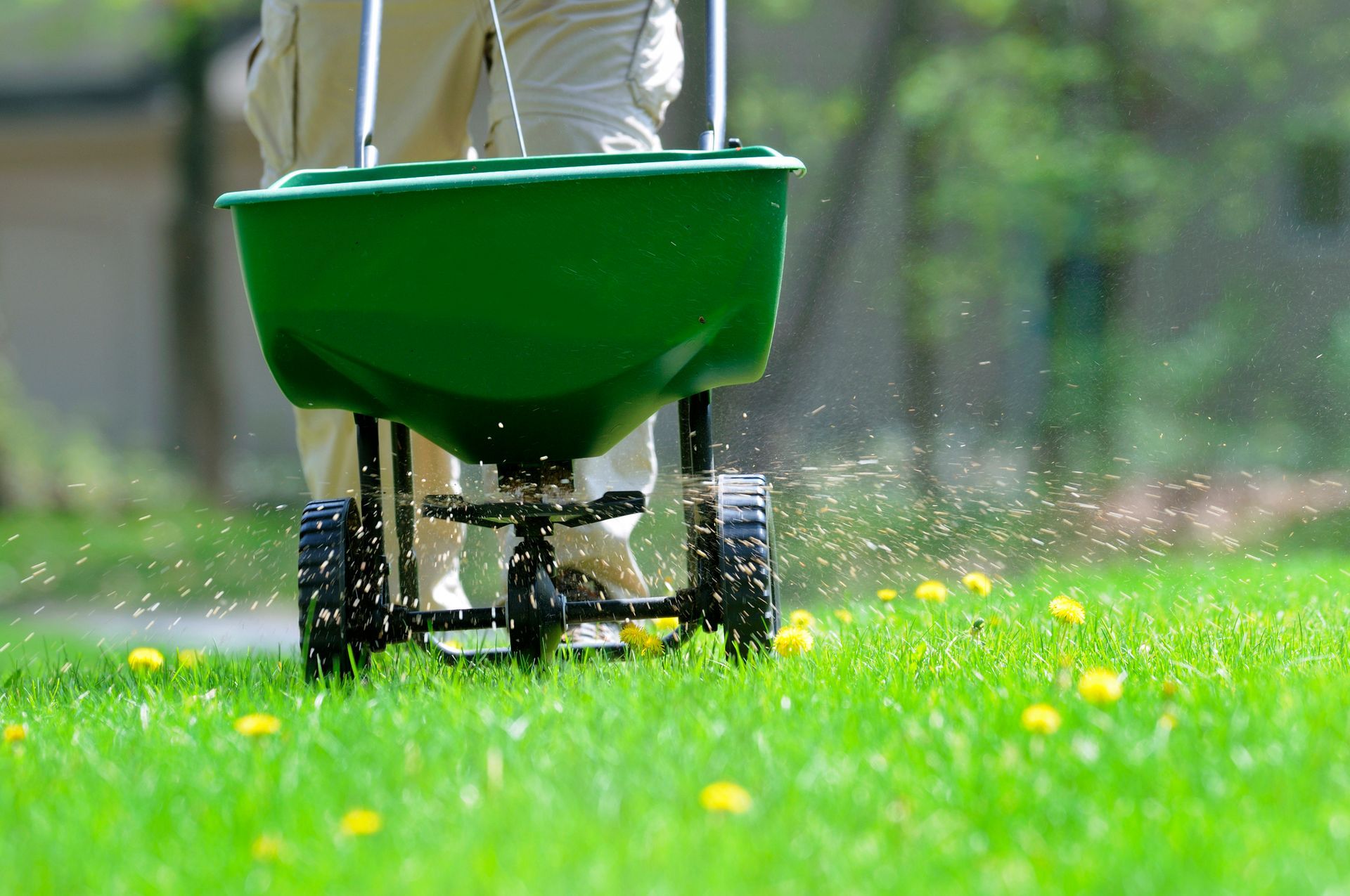
The initial step in crabgrass prevention is using pre-emergent herbicides. These products introduce a chemical barrier at the soil surface, preventing crabgrass seeds from germinating without destroying the existing grass. Pre-emerging success highly depends on timing. In Tennessee, the pre-emergent should be used in early to mid-spring, which is usually in late March to early April, before soil temperatures rise consistently to 55°F. Many professionals recommend applying when forsythia bushes are in blossom, as this is when soil temperatures are optimal for crabgrass germination. A second spray at the beginning of summer can provide long-lasting protection throughout the growing season.
2. Healthy Lawn Practices
The greener and thicker your lawn, the less room the crabgrass will find to grow. These basic practices of lawn care will provide an environment favorable to your turf as opposed to weeds.
- Mow High: When using tall fescue lawns, lower your mower blade to 3-4 inches. The tall grass covers the soil surface, so the crabgrass seeds are not exposed to sunlight and cannot germinate. The taller grass also establishes deeper roots, making your lawn more resistant to drought and better able to compete with weeds. Do not cut out more than one-third of the blade of grass during any mowing.
- Water Deeply: You should not water your lawn often, water it deeply but seldom- once or twice a week- with an average of 1-1.5 inches of water and rainfall. Deep watering prompts your grass to grow deep root systems that will make it compete favorably with crabgrass with shallow roots. Water in the morning to minimize the risk of disease and prevent wasted water from evaporating.
➞ Treating Existing Crabgrass (Selective & Careful)
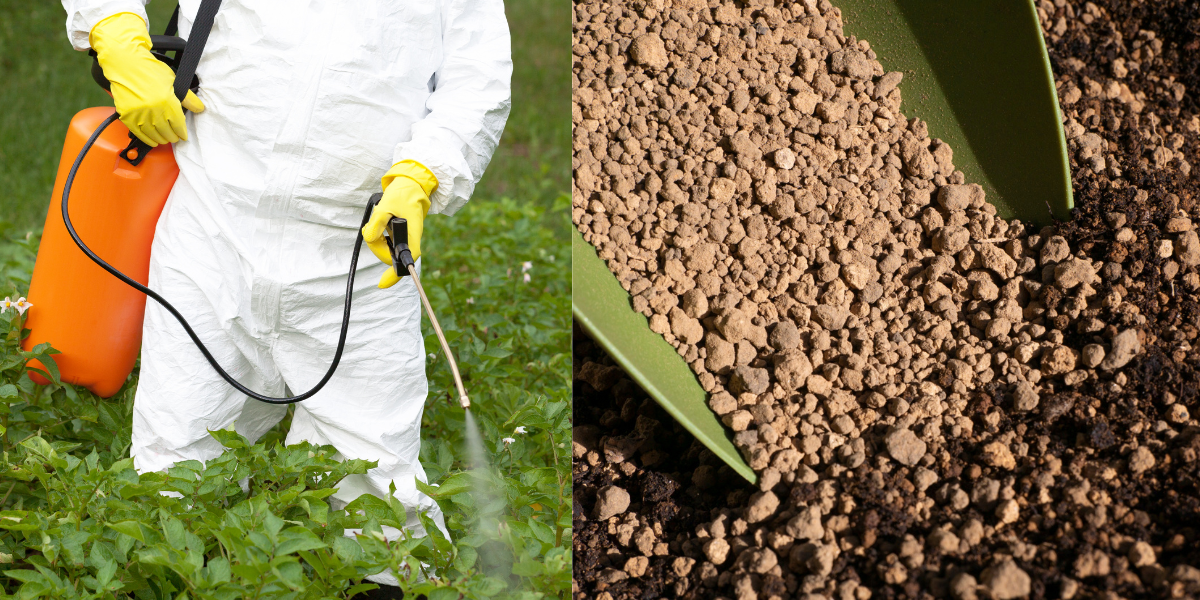
In case the crabgrass has already penetrated your lawn, then you will have to do something to get rid of it before it spreads over any more and seeds the next year.
1. Post-Emergent Herbicides
Post-emergent herbicides are those meant to kill actively growing weeds. For crabgrass control, find selective post-emerging herbicides specially directed to grassy weeds. These products are applied to crabgrass and do not harm your turf when applied properly. The trick is that when the young crabgrass plants are small in the season, it is much easier to control them before they grow to maturity (usually in mid-summer), and the herbicides are ineffective.
2. Add a Surfactant
The leaves of crabgrass are covered with a waxy layer that may not allow the absorption of herbicides. To make your herbicide application more effective, add a surfactant (a wetting agent) to the mixture so the product adheres to and enters the crabgrass leaves, becoming even more effective. Most professional-level products contain surfactants; if yours does not, you can add one to make the difference between failure and success.
3. Apply Carefully
When using any herbicide, apply it as directed on the label. Use after-emerging when the temperatures are 60- 85°F and do not apply when your turf is susceptible to heat stress or drought. Always avoid using herbicides during rainy seasons, as the product will be washed off before it can be absorbed. Wait at least 24-48 dry weather before applying the herbicide.
➞ Manual & Natural Methods
This is paragraph text. Click it or hit the Manage Text button to change the font, color, size, format, and more. To set up site-wide paragraph and title styles, go to Site Theme.
1. Hand Pulling
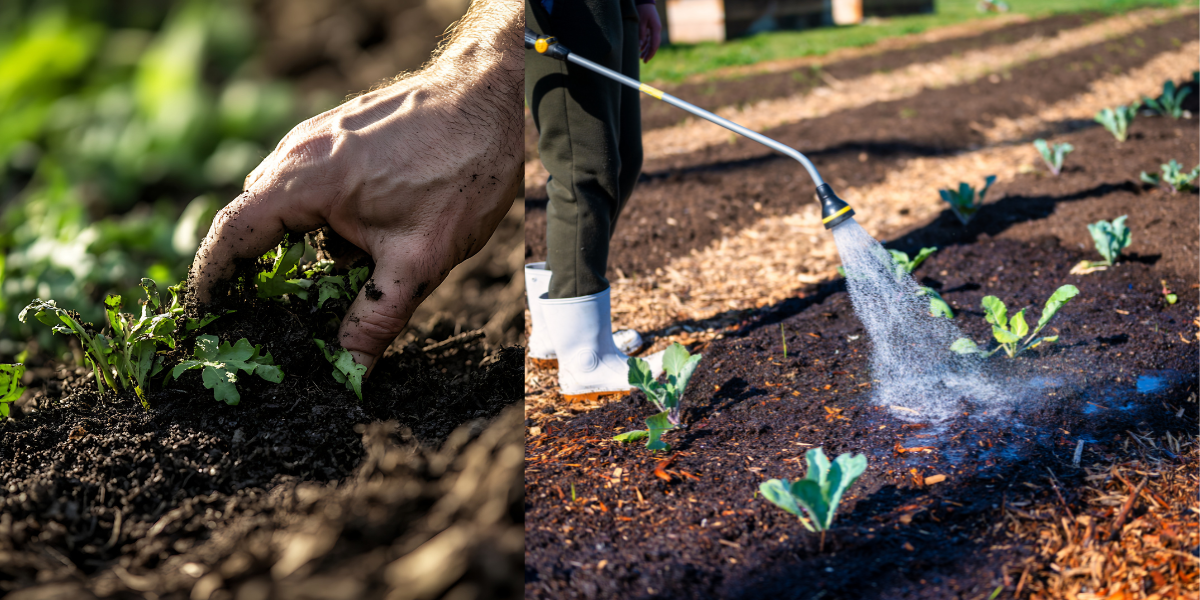
Can you pull crabgrass by hand? Definitely, and it is among the best procedures for small infestations. Timing and technique are the key. When the soil is wet (due to watering or rain), you can pull the crabgrass out, because at this time you will be able to get out more of the root system. Hold at the base of the plant and press straight upwards. Before the plant produces seeds, remove the whole plant, roots and all. You can go out in late summer, and in the process of pulling out, you might spread the seeds, and you are only setting yourself up worse off the following year.
2. Boiling Water
Using boiling water to kill crabgrass is an effective, completely natural method for spot treatment. Just add boiling water to crabgrass plants; the high temperature kills the plant material quickly. This is most effective on crab grass in cracks of sidewalks, side driveways, or in small spots. Note that all that boiling water touches is killed, and proceed with caution and be ready to plant again in the treated areas.
Once you have gotten rid of crabgrass in any way, then at once plant the bare spaces with grass seed and fertilizer so that your grass will grow faster. Otherwise, the space will simply be colonized by new crabgrass (or other weeds).